How to Choose a Metal Laser Cutter for Your Business
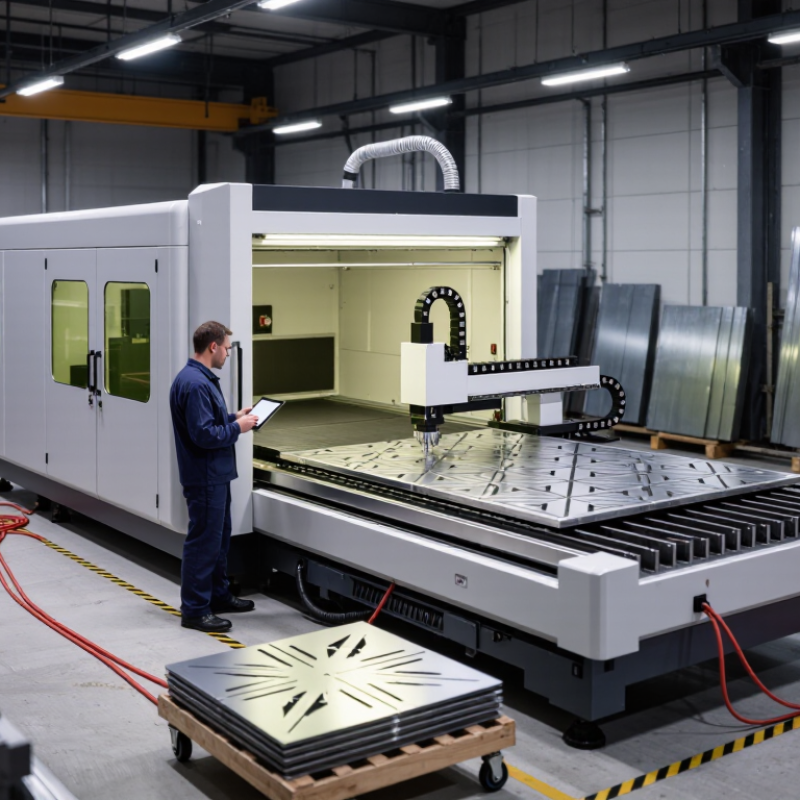
Choosing a metal laser cutter is not simply a matter of comparing wattage and purchase prices. It is a production decision that affects accuracy, staffing, maintenance, energy use, and delivery times. A machine that cuts a thin steel sign beautifully may struggle with eight-millimeter stainless steel. Your daily workload matters more than impressive showroom samples.
Dr. Milan Brandt, a respected laser-processing researcher, offers a practical reminder: “The machine must fit the process, not the other way around.” That idea should guide every specification. Examine your usual materials, sheet sizes, thickness ranges, tolerance requirements, and expected production volume. A fiber laser may suit steel, aluminum, and brass, while a CO₂ system could still fit specialized applications. The choice is not always obvious.
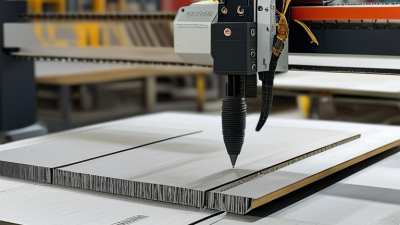
Look beyond laser power. Check cutting-head quality, autofocus performance, nesting software, extraction capacity, service response, and operator training. Ask suppliers to cut your own material, not a convenient sample. Watch the edge after cooling. Look for dross, discoloration, warping, and uneven corners.
Total cost matters.
A cheaper metal laser cutter can become expensive when lenses, nozzles, downtime, and outsourced repairs accumulate. Still, even this approach has limits. Businesses sometimes overestimate future demand and buy excessive capacity too early. I would rather see verified production data than optimistic forecasts.
This guide explains how to compare machine types, technical specifications, operating costs, safety features, and supplier support. It also examines practical questions that sales brochures often avoid. The right decision should be measurable, serviceable, and realistic for your workshop.
Define Your Metal Cutting Requirements and Business Goals
Choosing a metal laser cutter starts with business goals, not machine power.
Define the materials, thicknesses, sheet sizes, and monthly order volume first. A workshop cutting 1 mm stainless steel needs different capacity than one processing 12 mm carbon steel. Record actual jobs from the past three months. Include failed cuts, rework, loading delays, and rush orders.
A 2024 industry market report estimates the global laser cutting machine market will grow at about 7% annually through the decade. Growth does not justify buying the largest system. It may create unused capacity, higher electricity costs, and slower payback.
The International Energy Agency reports that industrial motors and systems account for a major share of manufacturing electricity use. Therefore, compare laser source efficiency, standby consumption, extraction needs, and maintenance intervals. Ask suppliers for measured operating data, not only headline wattage.
Calculate the required output using cycle time, setup time, and realistic utilization. A machine rated for 40 parts per hour may produce fewer parts after nozzle changes and material handling. That difference matters.
Set a target for acceptable edge quality, dimensional tolerance, and scrap rate. Also check floor space, ventilation, operator training, and service response. I would avoid forecasting from one unusually busy month. That assumption can be wrong. Review seasonal demand and customer mix before selecting automation, bed size, or cutting power.
A simple spreadsheet with order history may reveal that flexibility matters more than maximum speed.
Compare Laser Types, Power Levels, and Compatible Metal Materials
Choosing a metal laser cutter starts with laser type, not advertised wattage. Fiber lasers use a shorter wavelength and cut carbon steel, stainless steel, aluminum, brass, and copper efficiently. CO2 lasers can process steel well, but reflective metals demand more caution. The U.S. Department of Energy reports that fiber lasers can exceed 30% wall-plug efficiency, while CO2 systems commonly reach about 10–15%. That difference affects electricity use, cooling, and operating cost.
Power must match your daily material mix. A 1–3 kW fiber system suits many thin-sheet jobs, including stainless steel and aluminum below several millimeters. Production work involving thicker carbon steel may justify 6–12 kW. However, higher power does not guarantee better edges. Gas pressure, nozzle alignment, focus position, and cutting speed remain critical. Industry analysis from MarketsandMarkets identified fiber lasers as the leading technology segment in laser cutting equipment, reflecting their growing use in metal fabrication. Still, market growth is not proof that every workshop needs maximum power.
Tips: Request test cuts using your actual 304 stainless sheet, mild steel plate, and aluminum thickness. Inspect burrs under bright light. Measure kerf width. Ask for independent efficiency and maintenance data, not only a sales brochure. Copper and brass can reflect laser energy, so confirm approved settings and safety controls. I would also budget for extraction, chiller capacity, spare nozzles, and operator training. My first estimate may be wrong; real production trials often expose hidden downtime.
How to Choose a Metal Laser Cutter for Your Business
Representative maximum cutting thickness for common metals using a 3 kW industrial laser source. Actual results vary with machine design, assist gas, material grade, and cutting speed.
| Laser Type |
Typical Strength |
Compatible Metals |
Best Business Fit |
| Fiber |
Fast and efficient for reflective metals |
Mild steel, stainless steel, aluminum, brass, copper |
General fabrication and high-volume production |
| CO₂ |
Versatile processing with higher operating requirements |
Mild steel, stainless steel, aluminum, coated metals |
Mixed fabrication where an existing CO₂ system is available |
| Nd:YAG |
Precise cutting and marking at lower thicknesses |
Thin stainless steel, mild steel, aluminum, precious metals |
Precision parts and thin-gauge applications |
Selection guidance: choose fiber for a broad metal range and lower energy use, CO₂ when existing equipment and mixed production are priorities, and Nd:YAG for precise thin-material work. Confirm the supplier’s tested thickness chart before purchasing.
Review Software, Automation Features, Maintenance, and Safety Systems
Software can determine whether a metal laser cutter becomes productive or frustrating. Choose a system that imports common CAD files accurately and preserves scale during conversion. Nesting tools should reduce sheet waste without creating unstable cutting paths. Check whether operators can adjust power, speed, gas pressure, and focus from one clear interface. I prefer software with simulation and error alerts. Small mistakes become expensive quickly.
Automation should match your actual workload, not an impressive demonstration. Automatic sheet loading, unloading, nozzle changing, and material detection can reduce repetitive handling. A busy workshop benefits from barcode tracking and production reports. However, automation adds sensors, motors, and possible failure points. I once saw a highly automated setup stop because one misaligned sheet blocked the loading cycle. Simple manual recovery matters.
Maintenance planning deserves the same attention as cutting capacity. Ask how easily technicians can inspect lenses, filters, rails, cooling units, and extraction ducts. A visible maintenance schedule helps prevent skipped checks. Keep records of nozzle changes and unusual cutting marks. Safety systems should include guarded access, door interlocks, emergency stops, smoke extraction, and fire detection. Operators need training, not just warning labels. Test these systems regularly under controlled conditions. Some workshops treat safety checks as paperwork, which is a weak habit. A machine may pass inspection and still be poorly used. Evaluate the training process, service response, spare-part availability, and recovery time before purchasing.
Calculate Total Costs, Supplier Support, and Long-Term Return on Investment
Choosing a metal laser cutter requires more than comparing purchase prices. Calculate the complete cost over five years. Include installation, delivery, ventilation, software, electricity, assist gas, lenses, nozzles, maintenance, and operator training. A machine priced lower may require expensive upgrades before production begins. Ask for written estimates, not casual promises.
Supplier support strongly affects long-term value. During production, a delayed replacement part can stop an entire shift. Confirm response times, remote diagnostics, technician availability, spare-part stock, and training after installation. Request references from businesses with similar materials and daily workloads. Watch a live cutting demonstration using your typical steel thickness. Small details matter, including setup time and the quality of the cut edge.
Estimate return on investment with realistic figures. Compare current labor hours, outsourcing fees, scrap rates, and monthly output against the cutter’s operating costs. Use conservative utilization, especially during the first year. For example, a shop expecting ten productive hours daily may achieve only six after setup, inspection, and maintenance. That assumption changes the payback period considerably. My own early calculations once ignored downtime during operator learning, making the investment look better than it was. Leave room for mistakes. Also test whether future material sizes, thicknesses, and production volumes fit the machine’s capacity. A reliable investment should reduce cost per part without creating a new bottleneck.
How to Choose a Metal Laser Cutter for Your Business - Calculate Total Costs, Supplier Support, and Long-Term Return on Investment
Five-year comparison using representative commercial fiber laser cutter configurations
| Configuration |
Laser Power |
Working Area |
Purchase Price
(USD) |
Installation & Training
(USD) |
Annual Maintenance
(USD) |
Annual Energy
(USD) |
Annual Consumables
(USD) |
Five-Year Total Cost
(USD) |
Annual Net Operating
Contribution (USD) |
Estimated Payback
(Years) |
Five-Year ROI |
Recommended Business Profile |
| Entry Production |
1 kW |
1,300 × 900 mm |
$48,000 |
$5,000 |
$2,500 |
$1,200 |
$2,400 |
$83,500 |
$42,000 |
1.48 |
151.5% |
Job shops, prototypes, light-gauge sheet work |
| Standard Production |
3 kW |
1,500 × 3,000 mm |
$115,000 |
$12,000 |
$6,500 |
$3,800 |
$6,500 |
$211,000 |
$95,000 |
1.62 |
125.1% |
General fabrication, contract cutting, regular batch work |
| High-Utilization Production |
6 kW |
1,500 × 3,000 mm |
$185,000 |
$18,000 |
$10,000 |
$6,500 |
$10,000 |
$335,500 |
$145,000 |
1.71 |
116.1% |
Growing manufacturers, automotive and appliance components |
| Heavy-Duty Production |
12 kW |
2,000 × 4,000 mm |
$310,000 |
$25,000 |
$16,000 |
$11,000 |
$16,000 |
$550,000 |
$225,000 |
1.84 |
104.5% |
High-volume sheet processing and continuous multi-shift operations |
| Large-Format Industrial |
20 kW |
2,000 × 6,000 mm |
$490,000 |
$35,000 |
$24,000 |
$17,000 |
$23,000 |
$845,000 |
$340,000 |
1.90 |
101.2% |
Large structural parts, thick plate work and high-capacity factories |
|
Calculation assumptions: Five-year total cost includes purchase price, installation and training, plus five years of maintenance, electricity and consumables. Annual net operating contribution represents expected contribution before equipment financing, taxes and depreciation. Five-year ROI = [(5 × annual net operating contribution) − five-year total cost] ÷ five-year total cost. Actual results vary with material mix, utilization, labor rates, electricity prices, uptime and local service coverage.
|