Best China Fiber Laser Cutter for Global Buyers?

Choosing the best China fiber laser cutter requires more than comparing prices and advertised wattage. Global buyers must examine cutting performance, machine stability, supplier experience, and after-sales support. A polished factory showroom can look convincing. It does not always reveal production consistency.

This guide explores practical factors that matter during real purchasing decisions. We will consider laser power, cutting thickness, working-table design, control systems, beam quality, and component brands. A machine cutting clean 1.5-millimeter stainless steel should also maintain accuracy during longer production runs. Ask for recent test videos, sample parts, inspection records, and clear warranty terms. Request results using your own materials, not only factory-provided sheets.

Reliability depends on details.

Experienced buyers should verify electrical standards, installation requirements, software compatibility, training, spare parts, and remote technical assistance. Compliance documents should match the actual machine configuration. Independent inspection can reduce expensive surprises before shipment. However, no supplier is perfect, and even strong manufacturers may communicate slowly or underestimate local service needs. That weakness deserves honest attention.

This article compares key suppliers and explains how to judge their capabilities without relying on marketing language alone. It also considers total ownership costs, including shipping, commissioning, maintenance, lenses, nozzles, and operator training. The best choice may not be the cheapest fiber laser cutter. It should be the machine that delivers dependable results, transparent support, and measurable value in your specific market.

Best China Fiber Laser Cutter for Global Buyers?

What Is a China Fiber Laser Cutter?

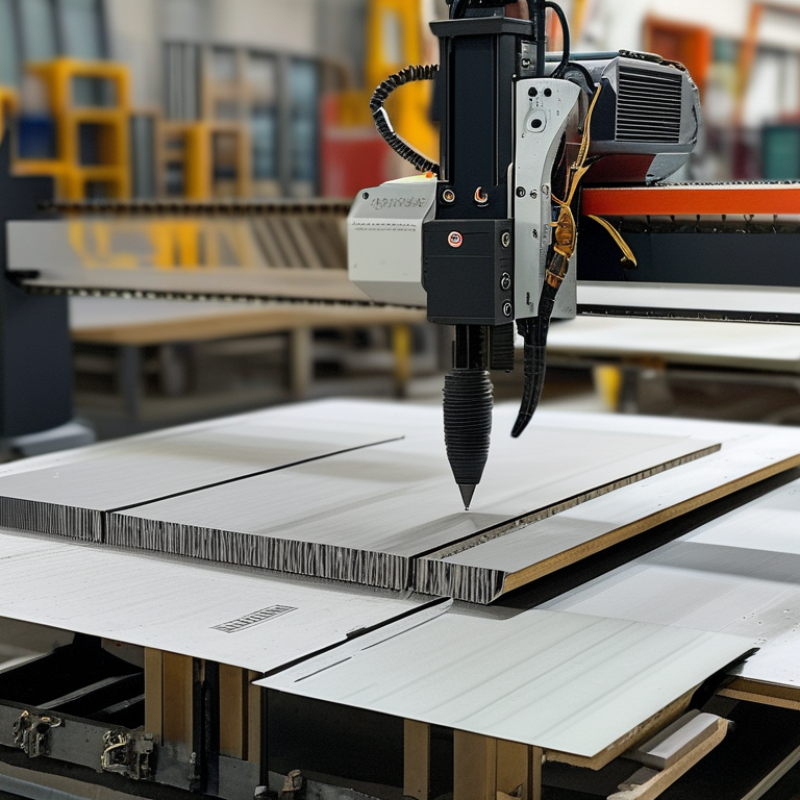
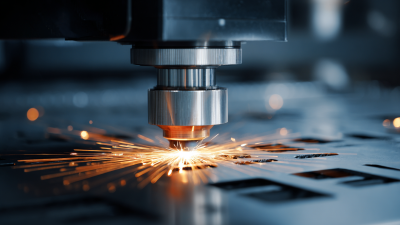
A China fiber laser cutter is a CNC machine manufactured in China that uses a fiber-optic laser source to cut metal. The laser beam travels through a doped optical fiber, then passes through a focusing head. It can cut carbon steel, stainless steel, aluminum, brass, and similar materials with controlled heat.

The machine combines a laser source, cutting head, motion system, CNC controller, water chiller, and assist-gas circuit. Nitrogen can produce cleaner stainless-steel edges, while oxygen may improve cutting speed on mild steel.

A 3,000-watt system may handle common sheet-metal work, but thickness depends on material, gas pressure, nozzle condition, and machine calibration. Small details matter.

Grand View Research estimated the global fiber laser market at about USD 6.2 billion in 2023, with strong growth projected through 2030. MarketsandMarkets also reported continued expansion in industrial laser-cutting equipment. These figures describe broad markets, not every cutter sold from China. Definitions differ, so comparisons can mislead.

A lower purchase price does not automatically mean lower production cost. Buyers should inspect cutting samples, positional accuracy, service response, electrical compliance, and replacement-part availability. Ask for measurable test records. Claims without test conditions deserve caution.

How to Compare Fiber Laser Cutter Types and Specifications

Best China Fiber Laser Cutter for Global Buyers?

Comparing fiber laser cutters requires more than reading wattage. Start with material, thickness, sheet size, and expected production hours. A 1.5 kW source may suit thin stainless steel and carbon steel. A 6 kW system offers faster cutting on thicker plates, but it also demands stronger power supply, extraction, and cooling. Cutting speed claims often use ideal test conditions. Real workshops face warped sheets, changing gases, and operator delays.

Grand View Research reported that the global laser cutting machine market reached about USD 6.8 billion in 2023. Its report also forecasts a 7.7% compound annual growth rate from 2024 to 2030. This growth does not mean every high-power machine is a smart purchase. Compare acceleration, positioning accuracy, nozzle control, assist-gas use, and service response. Check whether specifications follow recognized measurement methods. Safety features should align with IEC 60825-1 requirements. Ask for cutting samples using your actual material and thickness.

Tips: Request a full test report, not only a catalog speed. Confirm voltage, software compatibility, spare-part availability, and training. Calculate cost per finished part, not only machine price. I have seen buyers focus on wattage and overlook bed rigidity. That mistake becomes expensive. The “best” specification can still fail in a humid workshop or with inconsistent material. Review the machine after a realistic trial, and leave room for uncertain maintenance costs.

Which Cutting Materials and Applications Are Supported?

A fiber laser cutter is mainly designed for precise metal processing. It commonly cuts carbon steel, stainless steel, aluminum, brass, and copper. Thin sheets cut quickly. Thicker plates require higher laser power and slower feed rates. Stainless steel often needs nitrogen for clean, bright edges. Oxygen can create faster cuts in carbon steel, but it may leave a darker edge. Reflective metals, especially copper and brass, require suitable machine settings and protection systems.

Supported applications include sheet-metal fabrication, electrical cabinets, kitchen equipment, automotive components, HVAC parts, and architectural panels. Small workshops may use the same machine for custom brackets, signs, and prototype frames. A focused beam can produce narrow kerfs and detailed holes. Still, performance depends on material thickness, gas purity, nozzle condition, and operator skill. The result varies.

Global buyers should verify the cutting chart with real samples. Ask for test cuts using their intended metals and thicknesses. A machine that cuts 1-millimeter stainless steel well may struggle with 12-millimeter carbon steel. This difference is easy to overlook. Fiber systems are not a universal solution for wood, acrylic, glass, or many plastics. Some materials can melt, burn, or release harmful fumes. Confirm the machine’s working area, power range, assist-gas options, and maintenance access before purchase. Even experienced operators must review these details for each new material.

How to Evaluate Chinese Manufacturers and Machine Quality

Best China Fiber Laser Cutter for Global Buyers?

How to Evaluate Chinese Manufacturers and Machine Quality

Choosing a fiber laser cutter in China requires more than comparing prices. A credible manufacturer should provide a traceable factory address, clear technical documents, and consistent answers from sales to engineering. Ask for cutting samples using your actual metal grades and thicknesses. Inspect the edge closely. Look for dross, taper, heat discoloration, and uneven corners.

Machine quality becomes visible in small details. Check the frame welding, guideway protection, cable routing, and table alignment. Request repeatability data, acceleration limits, positioning accuracy, and final assembly test records. A serious supplier should explain laser power, cutting-head maintenance, cooling requirements, and software compatibility in plain language. Vague promises are warning signs.

See the factory remotely or in person. Watch a machine cut continuously, not only one clean sample. Ask how quickly spare parts ship and who handles remote diagnosis. Contracts should define installation, training, warranty response, and acceptance testing. Independent certifications can help, but paperwork cannot replace practical inspection. I would also leave room for doubt: polished videos may hide noise, vibration, or unstable performance after several months. A smaller supplier may offer more attention, yet limited service coverage can create costly delays. Compare evidence, not confidence.

What Should Global Buyers Check Before Ordering and Importing?

Choosing the best China fiber laser cutter starts with verification, not the lowest quotation. MarketsandMarkets’ 2024 Laser Cutting Machine Market report projects growth from about USD 6.3 billion in 2023 to USD 10.4 billion by 2028. That expansion attracts capable suppliers, but also inconsistent specifications. Ask for the laser source’s rated power, cutting table, repeatability, acceleration, and tested thickness. Request samples using your actual steel, aluminum, or stainless-steel sheets. A polished video is not enough.

Before ordering, match the machine to your workshop. Confirm input voltage, frequency, compressed-air quality, chiller capacity, extraction needs, floor loading, and door dimensions. Require a wiring diagram, consumables list, maintenance schedule, and spare-parts quotation. Check safety documentation against applicable requirements, including ISO 11553-1 and IEC 60204-1. Certification marks alone do not prove conformity. Ask for the declaration, test scope, and serial-number traceability. Small omissions become expensive delays.

Import preparation deserves equal attention. The World Bank’s 2023 Logistics Performance Index evaluates customs, infrastructure, tracking, and timeliness. Your forwarder should review these points before shipment. Confirm the HS classification, origin documents, packing dimensions, Incoterm, insurance, and destination duties with a qualified customs professional. Use pre-shipment inspection for dimensional and power checks. I would not release payment from photographs alone. Published market figures also use different definitions, so measured test results matter more than optimistic forecasts.

Best China Fiber Laser Cutter for Global Buyers?

What Should Global Buyers Check Before Ordering and Importing?

The chart shows conservative planning references for carbon-steel cutting thickness at commonly specified fiber-laser power levels. Actual results depend on material grade, thickness tolerance, assist gas, nozzle condition, cutting head configuration, machine rigidity, and process parameters. Request sample-cut videos and test pieces before placing an order.

Technical validation
Confirm laser source specifications, rated power, cutting-head model, chiller capacity, positioning accuracy, and electrical requirements such as voltage, phase, and frequency.
Safety and compliance
Ask for applicable documentation referencing IEC 60825-1, ISO 11553-1, and IEC 60204-1. Check whether the machine requires additional conformity assessment in the destination market.
Import planning
Confirm HS classification, packing dimensions, gross weight, Incoterms® 2020 delivery term, insurance, installation support, spare parts, warranty scope, and local after-sales service.

Reference framework: IEC 60825-1 laser safety, ISO 11553-1 safety of laser processing machines, IEC 60204-1 electrical equipment of machinery, and ICC Incoterms® 2020. The thickness values are planning references rather than guaranteed machine performance.