Top 10 Metal Laser Cutting Machine Types for Global Buyers?

Choosing the right metal laser cutting machine can shape production speed, part quality, and long-term operating costs. Global buyers face many options, from compact fiber systems to high-power plate cutters. The best choice depends on material, thickness, workspace, budget, and expected workload.

This guide examines ten practical machine types used across fabrication shops, automotive suppliers, construction workshops, and industrial production lines. It considers cutting capacity, laser source, automation, accuracy, maintenance, energy use, and operator safety. A thin stainless-steel sheet may need a very different solution from a 30-millimeter carbon steel plate. Small details matter.

Real purchasing experience shows that higher power is not always better. It can increase speed, but it may also raise installation and maintenance demands. Some buyers focus too heavily on the machine price and overlook extraction systems, software training, spare parts, and local technical support. That approach can create expensive delays.

Performance claims also require careful checking. Test cuts, supplier references, warranty terms, and documented specifications provide stronger evidence than impressive brochures. Even reliable machines may perform differently in humid climates, dusty workshops, or unstable power conditions. This guide therefore compares each metal laser cutting machine type through a practical, buyer-focused lens.

The rankings are not absolute. A suitable machine for a high-volume factory may be unsuitable for a small custom fabrication business. Readers should treat the comparisons as decision support, not a replacement for professional assessment. Clear requirements lead to better equipment choices.

Top 10 Metal Laser Cutting Machine Types for Global Buyers?

How Metal Laser Cutting Machines Are Classified by Structure and Function

Metal laser cutting machines are best classified by structure and function, not by marketing labels. MarketsandMarkets’ 2024 Laser Cutting Machine Market report estimates the sector will grow from about USD 7.5 billion in 2023 to USD 11.6 billion by 2028. That growth reflects wider use of fiber sources, automation, and combined processing lines.

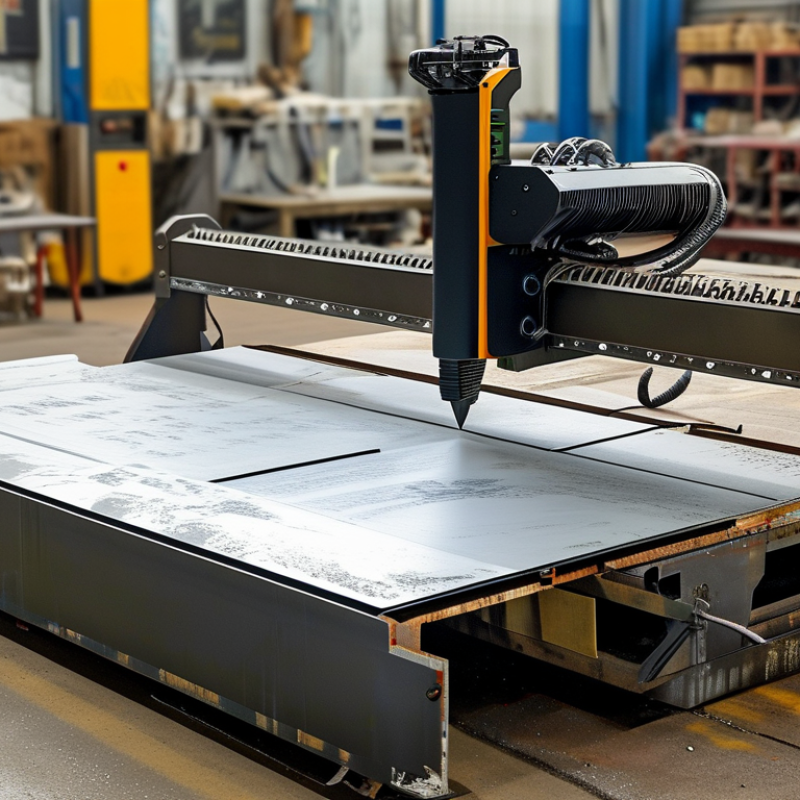
A practical structural classification includes ten common types: moving-table flatbed, flying-optic flatbed, fixed-gantry, cantilever, tube-only rotary, sheet-and-tube combination, three-dimensional five-axis, robotic-arm, precision micro-cutting, and high-power thick-plate systems. Flatbed machines suit sheet metal and repeatable nesting. Tube systems use rotary chucks and synchronized axes. Five-axis and robotic designs follow curved surfaces, though programming errors can appear quickly. Combination machines save floor space, but their shared cutting head may limit specialized output.

Function changes the buying decision. Fiber lasers usually handle carbon steel, stainless steel, and aluminum efficiently, while CO2 systems remain relevant for selected thicker or nonmetal applications. The International Energy Agency reports that industrial electric motor systems and process equipment remain major energy users, so power efficiency deserves measurement, not assumption. Compare cut speed, pierce time, kerf width, assist-gas consumption, and uptime under real production loads. ISO 9013 helps assess thermal-cut quality, while IEC 60825-1 addresses laser safety requirements. A laboratory sample can look excellent. Factory dust, vibration, and operator skill may tell a different story.

The Top Ten Machine Types for Sheet, Tube, and Three-Dimensional Metal Cutting

Global buyers now face more than a simple laser-versus-plasma decision. The right machine depends on material, thickness, geometry, floor space, and production volume. Fortune Business Insights estimated the global laser cutting machine market at about USD 6.8 billion in 2023, with automation supporting continued growth. Practical selection still matters more than market size.

For flat sheet, buyers commonly compare ten machine types: standard fiber flatbed, high-power fiber, compact fiber, enclosed fiber, CO2 sheet cutter, tube laser, tube-and-sheet combination, robotic laser cell, five-axis 3D cutter, and laser cutting-welding systems. Fiber flatbeds suit stainless steel and carbon steel sheets with fast piercing. CO2 systems remain useful for mixed materials, although their maintenance can be higher. Tube machines handle round, square, and rectangular profiles, leaving clean slots around a 200-millimeter tube. Combination systems save space but may compromise throughput.

Five-axis and robotic systems support formed panels, structural parts, and three-dimensional surfaces. Their value depends on accurate fixturing and reliable offline programming. MarketsandMarkets has identified automation and higher-power systems as major trends in industrial laser processing. Still, higher wattage does not guarantee lower costs. It can increase energy use, assist-gas demand, and thermal distortion.

A serious buyer should test actual samples. Measure edge taper, burr height, piercing time, and gas consumption. Ask for repeatability data, service response times, and operator training records. Reports offer useful direction, but factory evidence is stronger. Sometimes, the “best” machine is simply too large.

Comparing Laser Sources, Power Levels, Accuracy, and Production Speed

Top 10 Metal Laser Cutting Machine Types for Global Buyers

Comparing Laser Sources, Power Levels, Accuracy, and Production Speed

Metal laser cutters usually fall into ten practical groups: fiber sheet, fiber tube, CO2, high-power, compact, precision, three-dimensional, robotic, hybrid, and automated systems. Fiber sources suit steel, stainless steel, and aluminum because they transfer energy efficiently. CO2 machines still have value, but their maintenance and operating costs can be higher.

Power selection should follow material thickness, not sales claims. A 1,000-watt system may handle thin stainless steel quickly, while thicker plate may require 6,000 watts or more. Excess power can increase purchase costs without improving every job. It can also produce more heat-affected edges. That detail is often missed.

Accuracy depends on beam quality, motion control, machine rigidity, and calibration. In daily production, a stable ±0.05 mm result may matter more than an impressive brochure figure. Cutting speed also changes with gas pressure, nozzle condition, nesting, and pierce time. Fast travel is not the same as fast production. In my experience, tube cutters need strong clamping and careful alignment, especially on long profiles. Robotic and 3D systems improve access to curved parts, but programming takes longer. Automated loading raises output, though it adds maintenance points. Real shops are messier. A machine that looks slower in testing may deliver more usable parts per shift. That assumption deserves checking against actual material, thickness, tolerances, and order volume.

Top 10 Metal Laser Cutting Machine Types for Global Buyers

This benchmark compares common metal laser cutting configurations by nominal laser power, typical maximum cutting speed, and positioning accuracy. Values represent indicative commercial specifications for clean, thin-sheet cutting conditions; actual results vary with material type, thickness, assist gas, nozzle selection, and machine design.

Fiber laser systems generally provide the highest production speed and energy efficiency for steel, stainless steel, and aluminum. CO₂, Nd:YAG, diode, green, and ultraviolet systems remain relevant for specialized materials, precision work, or particular thickness ranges.

Matching Machine Types to Materials, Products, and Manufacturing Workflows

Machine choice should begin with the material, not the catalog.

Fiber laser cutters suit carbon steel, stainless steel, aluminum, and brass sheets. They deliver high speed and lower maintenance for repetitive production. CO2 systems still deserve attention when cutting thick nonmetals or reflective materials.

Tube laser machines fit structural frames, furniture parts, and round or square profiles. Their automated loading reduces handling between operations.

Precision pulsed, disk, and Nd:YAG systems serve thinner materials and heat-sensitive components. Three-dimensional laser cutters support formed panels, automotive parts, and complex assemblies. Galvanometer machines work well for small metal components and detailed marking. Flying-optic designs fit large sheets, while compact table systems suit workshops with changing orders.

The best type depends on thickness, tolerance, nesting efficiency, and daily volume.

The World Steel Association reported about 1.89 billion tonnes of crude steel production in 2023. That scale explains the demand for reliable sheet and tube processing.

The International Federation of Robotics recorded 541,302 industrial robot installations worldwide in 2023.

Therefore, buyers should examine robotic loading, sensors, and software compatibility, not cutting speed alone. I would request sample cuts using the real alloy and thickness.

A perfect machine match is rare. Some published specifications also reflect ideal conditions, so production trials remain essential.

Key Global Buying Factors: Cost, Certification, Support, and Maintenance

When global buyers compare the top ten metal laser cutting machine types, purchase price is only one line. Fiber sheet cutters, tube cutters, plate systems, and hybrid machines carry different operating costs. A cheaper machine may consume more assist gas or require costly imported optics. Ask for a three-year cost sheet covering power, lenses, nozzles, software, labor, and downtime. Small details matter. Certification should match the destination country, not merely the factory’s domestic approval. Request test reports, electrical safety documents, laser classification records, and a clear declaration of conformity. Check whether the supplied configuration matches those documents. A certificate for one controller cannot validate an unrelated machine.

Reliable support is practical, not promotional. Before payment, confirm remote response hours, local service partners, spare-part lead times, training language, and escalation procedures. Ask who will diagnose a cutting fault at 2 a.m. Maintenance records should list lubrication points, filter changes, chiller checks, alignment inspections, and software backups. Keep critical nozzles and protective windows on site. A monthly checklist prevents many avoidable stoppages. Still, buyer assumptions can be wrong. Material thickness, humidity, voltage instability, and operator skill can change real performance. Request sample cuts using your actual metal grades and thicknesses. Measure edge roughness, kerf width, piercing time, and scrap rate. One supplier’s impressive demonstration may hide generous settings. That is where careful review matters.

Top 10 Metal Laser Cutting Machine Types for Global Buyers — Key Global Buying Factors: Cost, Certification, Support, and Maintenance
Machine Type Typical Metal Applications Typical New-Machine Price
(USD)
Common Power and Format Key Global Certifications and Safety Requirements Support Requirements Maintenance Profile Indicative Consumables and Service Cost
Fiber Laser Flatbed Cutter Carbon steel, stainless steel, aluminum, brass, and copper sheet or plate. US$30,000–US$250,000 1–20 kW; typical working areas from 1,500 × 3,000 mm to 2,000 × 6,000 mm. CE UKCA UL/NRTL IEC 60825-1
Machine guarding, emergency-stop, electrical safety, and risk-assessment documentation should match the destination market.
Operator training, remote diagnostics, software updates, installation assistance, and access to qualified local service technicians. Generally low to medium. Inspect protective windows, nozzles, focusing lenses, filters, cooling system, and beam-delivery components. Approximately US$1,000–US$8,000 per year, excluding major repairs and production downtime.
High-Power Fiber Laser Plate Cutter Thick carbon-steel plate, structural components, heavy equipment parts, and large fabricated assemblies. US$100,000–US$500,000+ 12–40 kW; large beds commonly support 2,000 × 6,000 mm or larger sheets. CE UKCA UL/NRTL ISO 12100
Verify enclosure classification, fume extraction, thermal protection, electrical conformity, and laser radiation controls.
Requires commissioning by experienced engineers, process optimization, operator certification, and a clear response-time agreement for downtime events. Medium to high. Higher thermal loads require disciplined inspection of chiller performance, optics, gas delivery, motion systems, and extraction equipment. Approximately US$3,000–US$15,000 per year, with higher costs possible for high-volume operation.
Fiber Laser Tube and Profile Cutter Round, square, rectangular, oval, and open profiles for construction, furniture, automotive, and industrial fabrication. US$80,000–US$350,000 1–12 kW; tube diameters often range from approximately 20 mm to 350 mm, depending on configuration. CE UKCA UL/NRTL IEC 60204-1
Check automatic loading safety, chuck guarding, profile detection, and country-specific electrical requirements.
Training should cover tube alignment, nesting software, workholding, loading systems, and safe handling of long profiles. Medium. Inspect chucks, rollers, supports, sensors, nozzles, cutting heads, lubrication points, and loading mechanisms. Approximately US$2,000–US$10,000 per year, excluding replacement of mechanical loading components.
Fiber Laser Sheet-and-Tube Combination Cutter Mixed production of flat sheet, pipes, tubes, and profiles where floor space and equipment flexibility are important. US$90,000–US$300,000 2–12 kW; flatbed areas commonly range from 1,500 × 3,000 mm to 2,000 × 6,000 mm. CE UKCA UL/NRTL IEC 60825-1
Confirm that both the sheet and tube modules meet applicable guarding, control-system, and emergency-stop requirements.
Needs broader operator training because setup, nesting, cutting parameters, and workholding differ between sheet and tube production. Medium. More axes, chucks, rollers, and sensors can increase inspection points compared with a dedicated flatbed machine. Approximately US$2,000–US$12,000 per year, depending on utilization and automation level.
CO₂ Laser Metal Cutter Non-reflective metals, coated materials, thin stainless steel, mild steel, and mixed-material fabrication. US$25,000–US$150,000 1–6 kW; common bed sizes range from 1,300 × 2,500 mm to 2,000 × 4,000 mm. CE UKCA UL/NRTL IEC 60825-1
Gas-system safety, high-voltage protection, enclosure integrity, extraction, and fire prevention are important compliance areas.
Requires trained service personnel for optical alignment, resonator checks, gas-system inspection, and high-voltage troubleshooting. Medium to high. Mirrors, lenses, resonator components, gas supplies, and cooling systems require regular inspection and cleaning. Approximately US$3,000–US$15,000 per year, depending on operating hours and optical-component replacement.
Laser Cutting and Drilling Center Precision holes, slots, contours, and detailed features in sheet, plate, and fabricated metal parts. US$120,000–US$500,000+ 2–12 kW; often configured with multiple axes, automatic positioning, and specialized drilling functions. CE UKCA UL/NRTL ISO 13849-1
Validate safety-related control systems, guarding, dust and fume extraction, and precision measurement documentation.
Requires application engineering, CNC programming support, calibration procedures, and rapid troubleshooting for precision work. Medium to high. Preventive maintenance includes guideways, drives, sensors, cutting heads, drilling accessories, and calibration checks. Approximately US$4,000–US$18,000 per year, excluding precision calibration and major spindle or axis repairs.
3D Laser Cutting Machine Three-dimensional automotive parts, formed sheet metal, hydroformed components, and complex contoured workpieces. US$180,000–US$700,000+ 2–6 kW; multi-axis systems use robotic or gantry-based motion and customized workholding. CE UKCA UL/NRTL IEC 60204-1
Robot safety, enclosure access control, laser classification, interlocks, and application-specific risk assessment are essential.
Requires advanced programming, fixture design, robot or multi-axis calibration, offline simulation, and specialist commissioning. High. Regular checks are needed for robot axes, calibration, fixtures, cable management, cutting heads, sensors, and safety interlocks. Approximately US$8,000–US$30,000 per year, excluding specialized calibration and tooling work.
Precision Fine-Cutting Laser Machine Thin stainless steel, electronics enclosures, medical components, precision instruments, and small intricate parts. US$100,000–US$450,000 0.5–3 kW; typically uses high-accuracy motion systems and smaller work envelopes. CE UKCA UL/NRTL ISO 9001 Support
For regulated industries, request traceability, calibration records, process validation, and documented quality-control procedures.
Requires application trials, accurate parameter libraries, metrology support, software version control, and documented process capability. Medium. Clean optics, stable temperature control, precision lubrication, alignment verification, and calibration are especially important. Approximately US$3,000–US$15,000 per year, depending on accuracy requirements and production volume.
Laser Slab and Coil Cutting Line Continuous processing of sheet coils for appliances, construction panels, automotive parts, and high-volume fabrication. US$250,000–US$1,000,000+ 2–12 kW; integrated decoilers, levelers, feeders, cutting systems, stacking, and material-handling equipment. CE UKCA UL/NRTL ISO 12100
Assess the complete line, including guarding, interlocks, material handling, electrical systems, noise, extraction, and emergency access.
Requires project engineering, factory acceptance testing, installation supervision, production ramp-up support, and spare-parts planning. High. Preventive maintenance covers decoilers, levelers, rollers, drive systems, laser heads, chiller units, sensors, and automation controls. Approximately US$10,000–US$50,000 per year, excluding major line components and planned shutdowns.
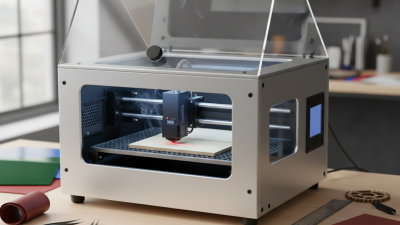
Portable or Compact Enclosed Fiber Laser Cutter Light fabrication, workshops, educational facilities, maintenance departments, and low-volume sheet-metal production. US$15,000–US$80,000 1–3 kW; compact working areas commonly range from approximately 600 × 900 mm to 1,500 × 3,000 mm. CE UKCA UL/NRTL IEC 60825-1
Confirm fully enclosed operation, door interlocks, emergency-stop functions, extraction, and electrical compatibility.
Basic operator training is normally sufficient, but installation guidance, cutting-parameter support, and remote diagnostics remain valuable. Low to medium. Routine checks include nozzles, protective windows, filters, lubrication, cooling, extraction, and enclosure safety switches. Approximately US$500–US$4,000 per year, excluding accidental damage or major optical-component replacement.
Buyer guidance: Price ranges are indicative 2025–2026 international purchasing estimates for new equipment and can vary substantially with laser power, bed size, automation, software, freight, installation, duties, and regional labor costs. Certification requirements must be verified for the destination country and the complete machine configuration. Annual maintenance estimates exclude electricity, assist gases, consumable material, financing, and production downtime.