Minimal Space. Maximum Impact! Designed for when every millimeter matters> the new IRONLESS UNANO SERIES
Semiconductors
Increase throughput and precision of your system
Display
Enhance accuracy and precision with linear motors
Science and aerospace
Improve motion quality for a variety of applications
Machine tooling
Robust solutions for increased speed and precision
Digital cutting
Create modular and high throughput applications
Printing
Increase printing speed and quality using linear motors
Robotics
Integrate compact solutions for guaranteed uptime and high dynamics
Life science
Establish precise and clean integrated solutions
Woodworking
Maximize performance and accuracy for high throughput
Stages and system solutions
Compact integration and high performance for your axis
Vacuum applications
Best performance for clean and vacuum applications
Characteristics
Choosing a steel laser cutting machine is not simply a purchase decision. It is a production strategy. In a busy fabrication shop, a focused beam can move across a steel sheet, leaving narrow kerfs and clean edges. This precision reduces secondary grinding, material waste, and manual rework. It can also support repeatable parts for frames, brackets, ducts, and heavy equipment.
Laser-processing expert Dr. Stefan Kaierle has emphasized, “Laser processing must be judged by the complete production process, not by speed alone.” That principle matters. A machine may cut quickly, yet poor nesting, unstable assist gas, or untrained operators can erase the gains. A serious evaluation should examine laser power, bed size, cutting thickness, automation, software, maintenance access, and local technical support. These details affect daily output more than impressive brochure numbers.
A steel laser cutting machine can improve consistency across mild steel, stainless steel, and carbon steel orders. It may also connect with CAD systems and automated material handling. Still, it is not the perfect answer for every workshop. Thick plate, highly reflective surfaces, limited electricity, and a modest order volume can change the calculation. The investment needs honest testing. Cut sample parts. Measure edge quality. Track cycle time, gas use, and scrap. The result may challenge initial expectations. That is useful. A reliable decision comes from evidence, operator experience, and total operating cost—not excitement alone.
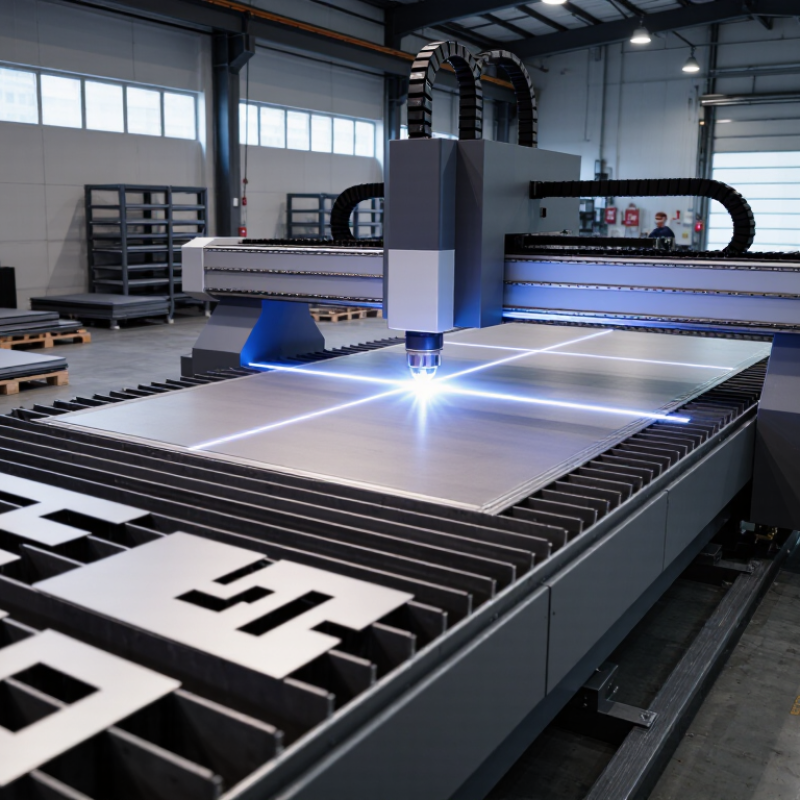
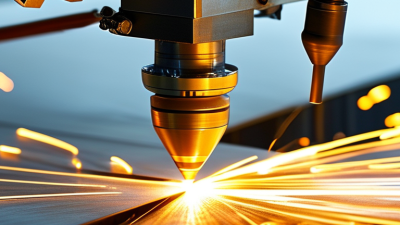
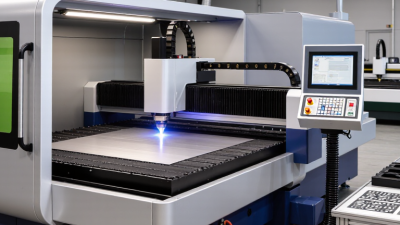
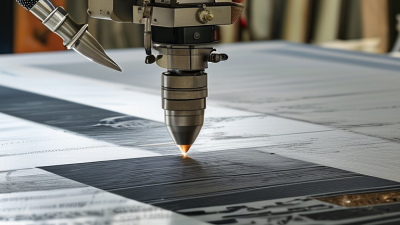
A steel laser cutting machine is an industrial system that cuts steel sheets, plates, or tubes with a focused laser beam. The beam heats a precise point until the material melts or vaporizes. An assist gas then removes the molten metal from the cut. Computer-controlled movement creates accurate shapes from digital drawings. The machine can produce clean edges, narrow cuts, and detailed openings. It is commonly used for frames, brackets, panels, and machine parts.
For a business, this technology can improve repeatability and reduce manual finishing. It also handles many designs without changing physical cutting tools. In practical production, operators often notice less material waste because the cutting path can be tightly arranged. However, it is not a magic solution. Thick steel, reflective surfaces, poor ventilation, or incorrect settings can reduce quality. Proper training, maintenance, and documented safety procedures remain essential. A test cut should guide production decisions.
Tips: Check steel thickness, grade, and surface condition before cutting. Keep lenses, nozzles, and worktables clean. Review the first piece carefully, even when the drawing looks correct. Small setup errors can create expensive batches. Reliable results also depend on suitable power, cutting speed, gas pressure, and regular equipment inspections.
A steel laser cutting machine turns digital geometry into precise physical parts. The process starts with CAD data and a CNC controller. A laser source creates a concentrated beam, then optics focus it onto the steel surface. Assist gas pushes molten metal through the narrow cut.
The result is a clean kerf, limited heat-affected area, and strong repeatability. Carbon steel, stainless steel, and galvanized sheet need different power, speed, focus, and gas settings. The World Steel Association reported about 1.89 billion tonnes of crude steel production in 2023. That scale explains the demand for faster and more controlled fabrication. However, laser cutting is not automatically perfect. Dirty lenses, unstable gas pressure, or incorrect nesting can damage accuracy and increase scrap. Shop-floor testing still matters.
Tips: Check nozzle alignment before production. Use trial cuts for unfamiliar thicknesses. Keep protective windows clean, and record successful settings. The ISO 11145 vocabulary standard defines key laser terms, while ISO 11553-1 addresses safety requirements for laser processing machines. These references support disciplined setup and risk control. A useful improvement is reviewing cut samples under magnification, not only judging their visible edges. Small burrs often reveal problems earlier than production reports.
A steel laser cutting machine can improve daily operations by making cutting more predictable. In my experience, consistent beam control produces cleaner edges and fewer burrs on mild steel sheets. That matters when parts move directly to bending or welding. Less rework saves labor, materials, and valuable floor space. It also reduces interruptions caused by manual cutting adjustments.
Speed is another practical advantage. Automated cutting can process repeated shapes during unattended periods, provided the setup is checked carefully. Nesting software may place parts closer together, reducing scrap from each sheet. A well-trained operator can adjust focus, gas pressure, and cutting speed for different steel thicknesses. Small settings matter. Poor calibration still creates warped edges, dross, or rejected parts.
Operational visibility improves as well. Digital job files support repeatable production and easier tracking of cutting time. Maintenance records can reveal worn lenses, dirty filters, or unstable gas flow before they cause major delays. The machine is not magic. A rushed setup, weak ventilation, or neglected maintenance can erase expected gains. I have seen production plans fail because material specifications were assumed rather than verified. Staff training and routine inspections remain essential for safe, reliable work. With disciplined procedures, the machine can support shorter lead times, steadier quality, and more responsive order handling.
| Operational Dimension | Typical Steel Laser-Cutting Result | Business Benefit | Important Conditions |
|---|---|---|---|
| Cutting accuracy | Approximately ±0.03–0.10 mm for many industrial fiber-laser systems when properly calibrated. | Improves part consistency and reduces rework caused by dimensional errors. | Actual accuracy depends on machine construction, material, thickness, calibration, and thermal conditions. |
| Material versatility | Suitable configurations can process mild steel, stainless steel, and galvanized steel; some systems also cut aluminum and brass. | Supports more product types without purchasing separate cutting equipment. | Maximum thickness varies significantly with laser power, assist gas, material grade, and cutting speed. |
| Typical mild-steel capacity | Common industrial systems cover thin sheet work and may process roughly 10–25 mm mild steel, depending on rated power. | Allows one production platform to serve both precision sheet work and heavier fabrication tasks. | A published maximum thickness is not the same as the fastest or highest-quality production thickness. |
| Kerf width | Often approximately 0.10–0.30 mm, depending on nozzle selection, focus, material, and process settings. | Enables narrow slots, small contours, and efficient nesting with limited material loss. | Kerf compensation should be included in CAD/CAM settings for reliable dimensional results. |
| Production speed | Thin-sheet cutting can reach several metres per minute; speed decreases as thickness and quality requirements increase. | Shortens cycle times and can increase daily production capacity. | Travel speed is not the same as completed-part throughput; loading, unloading, piercing, and nesting affect output. |
| Edge quality | Produces narrow, concentrated cuts with low heat input compared with many conventional thermal methods. | Reduces secondary grinding, deburring, and finishing work for suitable applications. | Dross and edge quality still depend on gas pressure, focus position, nozzle condition, and material cleanliness. |
| Programming and setup | CAD/CAM workflows allow digital nesting, automatic toolpaths, and rapid changeovers between part designs. | Makes small batches and customized orders more economical than manual cutting methods. | Operator training and accurate material libraries are required to achieve consistent results. |
| Material utilization | Nesting software can arrange parts closely and account for the narrow laser kerf. | Can reduce scrap and lower raw-material cost per finished part. | Actual savings depend on part geometry, sheet dimensions, remnant management, and nesting strategy. |
| Energy and operating cost | Fiber lasers generally convert electrical power to laser light more efficiently than CO₂ lasers and do not require a resonator gas path. | May reduce electricity use and routine consumable requirements in suitable production environments. | Total cost also includes assist gas, chiller power, optics, maintenance, labour, and machine depreciation. |
| Maintenance requirements | Fiber-laser systems typically have fewer beam-path components than CO₂ systems, while nozzles, protective windows, filters, and lenses still require inspection. | Can improve equipment availability when preventive maintenance is followed. | Maintenance intervals must follow the equipment manufacturer’s procedures and operating environment. |
| Automation potential | Automatic focusing, sheet handling, pallet changers, and production monitoring are available on many industrial configurations. | Supports unattended production, improves workflow repeatability, and reduces manual handling. | Automation adds capital cost and delivers the strongest return when machine utilization and order volume are high. |

Why Choose a Steel Laser Cutting Machine for Your Business?
Factors to Consider Before Choosing a Machine
Choosing a steel laser cutting machine starts with your daily workload, not its advertised power. Measure your usual steel thickness, sheet dimensions, and monthly cutting hours. A machine for thin panels may struggle with thick structural plates. I learned this after seeing production delays caused by an undersized cutting bed.
Laser power affects speed, edge quality, and operating cost. Fiber systems often suit steel fabrication because they cut efficiently and require limited routine maintenance. However, higher power is not always better. It can increase energy use and purchase costs without improving your actual output. Test sample parts before deciding. Real material reveals more than a specification sheet.
Precision also depends on the motion system, cutting head, software, and assist gas control. Ask for repeatability records and inspect finished edges under normal workshop lighting. Check whether operators can learn the controls quickly. Safety features, ventilation, service access, and spare-part availability deserve equal attention. I would also calculate the full cost over five years, including lenses, gas, electricity, and downtime. My first estimate once ignored maintenance labor. That omission changed the budget.
Typical carbon-steel cutting capacity increases with fiber-laser power, helping businesses select equipment according to material thickness and production requirements.
Indicative engineering values: a 1 kW fiber laser commonly processes carbon steel up to approximately 10 mm, while higher-power systems can handle thicker sheets. Actual results depend on assist gas, material grade, cut quality, nozzle condition, and machine configuration.
Steel laser cutting machines fit industries where speed, accuracy, and material flexibility directly affect production costs. According to the World Steel Association’s World Steel in Figures 2024, global crude steel production reached about 1.89 billion tonnes in 2023. That enormous volume supports demand across automotive frames, construction components, agricultural equipment, and heavy machinery.
A modern fiber laser can cut steel sheets with narrow kerfs and limited heat distortion. In a busy workshop, this means cleaner edges, fewer secondary grinding steps, and more consistent hole placement. However, results still depend on gas quality, nozzle alignment, material thickness, and operator experience.
Industrial applications are expanding beyond basic plate cutting. Fabricators now process brackets, enclosures, pipelines, renewable-energy structures, and customized machine parts. The International Federation of Robotics reported 541,302 industrial robots installed worldwide in 2023. This growth points toward connected cutting cells, automatic loading, robotic sorting, and production monitoring.
Future systems may combine machine vision with adaptive cutting parameters. The promise is strong, but not guaranteed. Software errors, poor data, and maintenance gaps can reduce the expected return.
Tips: Measure your real part mix before choosing laser power. Review thickness, daily sheet volume, tolerance requirements, and gas consumption. Test complex shapes, not only simple squares. Ask operators to record cutting defects for several weeks. Those records often reveal hidden costs better than a sales forecast. Also compare repair access, training needs, and electricity demand. The cheapest machine may become expensive when downtime interrupts a short production run.