Why Choose a Solar Independent Power Wall?
Choosing a Solar Independent Power Wall begins with a practical question: what should your energy system protect?
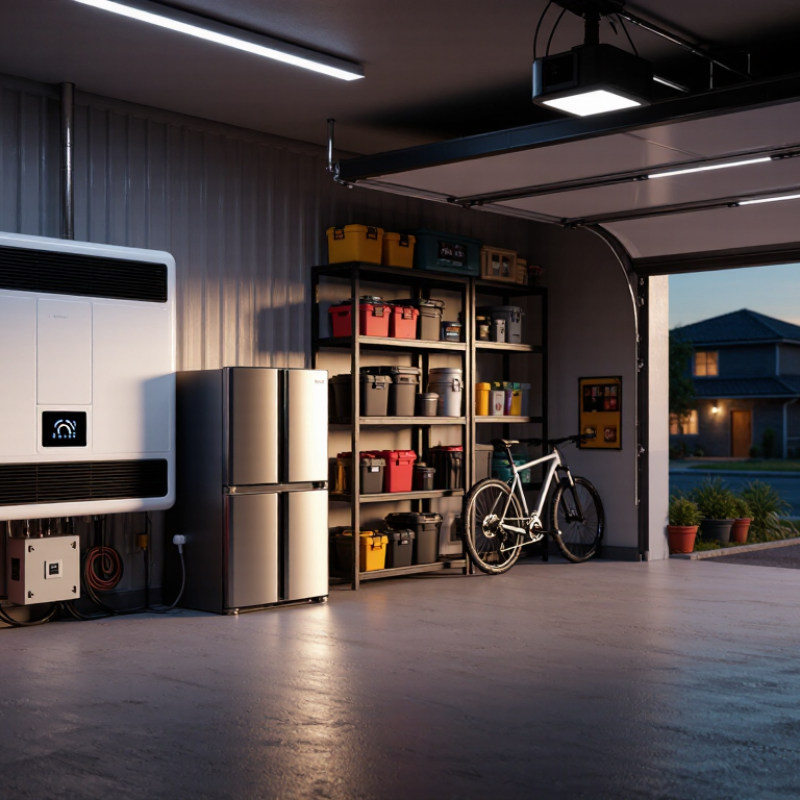
For many homeowners, the answer includes evening lighting, refrigeration, internet equipment, medical devices, or essential tools. A properly designed battery can store daytime solar energy and release it after sunset. It can also provide backup power during grid interruptions, depending on its capacity and connection design. Imagine a battery mounted in a garage, quietly supporting a refrigerator while nearby homes remain dark. That image is useful, but it is not the whole story.
Independence is rarely absolute. Solar production changes with weather, seasons, roof direction, and shading. Battery performance also depends on usable capacity, charging limits, temperature, and maintenance. A qualified installer should review household load data instead of guessing from monthly bills. They should explain inverter compatibility, emergency circuits, ventilation, monitoring, warranties, and local installation requirements. These details often determine whether the system feels dependable in real life.
A Solar Independent Power Wall may reduce reliance on the grid, improve energy resilience, and help households use more self-generated electricity. Yet it is not automatically the best choice for every property. Smaller homes may need only limited backup capacity, while larger households could require multiple battery units or a carefully managed load plan. The technology is promising, but expectations must remain realistic. Good decisions come from measured energy use, transparent specifications, and professional installation—not from impressive capacity numbers alone.
What Is a Solar Independent Power Wall?
A solar independent power wall is a home energy storage system connected to solar panels. It stores electricity generated during daylight hours. At night, the battery can supply lights, appliances, and essential devices. An inverter changes stored power into usable household electricity. A monitoring system tracks energy flow, battery health, and daily consumption. It is not magic. Performance depends on sunlight, battery size, weather, and household demand.
The word “independent” does not always mean fully off-grid. Many systems still use the utility grid during extended cloudy periods. In practical energy planning, the best design matches storage capacity with real usage patterns. A home using 10 kilowatt-hours daily may not need the same battery as a large electric household. Professional assessment should include roof direction, backup priorities, ventilation, wiring, and local electrical requirements. These details affect safety and reliability.
Tips: Check usable capacity, not only advertised capacity. Ask about round-trip efficiency and backup switching time. Confirm that a qualified installer follows local codes. Keep essential circuits separate from high-load appliances when possible. Review maintenance instructions every year. A larger battery sounds better, but it may remain underused. That can weaken the financial case. Review your electricity bills before choosing a system.
Why Choose a Solar Independent Power Wall?
Estimated Backup Runtime by Battery Capacity
A solar independent power wall stores electricity generated by solar panels and provides backup power when the grid is unavailable. This chart estimates backup time at a continuous 1 kW load, assuming 90% usable battery energy. Actual runtime varies with inverter efficiency, temperature, battery condition, and household electricity demand.
How Does a Solar Independent Power Wall Work?
Why Choose a Solar Independent Power Wall?
How Does a Solar Independent Power Wall Work?
A solar independent power wall stores electricity from rooftop panels during daylight. Solar modules produce direct current, while household appliances use alternating current. A hybrid inverter manages this conversion. It also controls battery charging, discharge, and grid isolation. During an outage, an automatic transfer device disconnects the home from the grid. The inverter then creates a private microgrid for selected circuits. No utility connection is required during operation.
The process is practical but not unlimited. The battery management system monitors voltage, temperature, and remaining capacity. If sunlight is weak, stored energy supports refrigerators, lights, routers, and medical equipment. High-load devices may drain the battery quickly. The U.S. Department of Energy reports that lithium-ion storage systems commonly achieve roughly 85% to 95% round-trip efficiency. Some energy still disappears as heat and conversion loss.
System sizing needs honest calculations. The International Energy Agency’s Renewables 2024 report recorded nearly 510 gigawatts of new renewable capacity in 2023, with solar providing about three-quarters of additions. That growth supports wider residential storage deployment, but it does not remove installation limits. A 10-kilowatt-hour battery may last overnight for essential loads, not an entire house. Weather, shading, battery age, and winter demand change the result. Real homes are messier than diagrams. I would measure actual appliance usage before choosing capacity, because optimistic estimates can leave a quiet battery wall unable to power a noisy, demanding home.
Which Energy Needs Can It Support?
Why Choose a Solar Independent Power Wall?
Which Energy Needs Can It Support?
A solar independent power wall can store daytime energy for use after sunset or during a grid interruption. Its practical role depends on battery capacity, solar production, and the appliances connected to it. A modest system may keep lights, a router, phones, and a refrigerator running. Larger systems can support additional circuits, such as a home office or a small water pump, if their power demands fit the equipment’s limits.
Think in watt-hours, not just appliance names. A refrigerator cycles on and off, while a kettle draws substantial power for a short time. That difference matters. List essential devices, check their rated power, and estimate how many hours each must operate. A qualified installer can assess startup surges, wiring, and seasonal sunlight before recommending a system size. No battery lasts indefinitely. Cloudy weather and heavy evening use can reduce the energy available the next day.
For example, a household might reserve stored power for cold food, basic lighting, and communication during an outage. It may not be sensible to run every heater or kitchen appliance at once. This part takes honest planning; people often underestimate evening demand. A power wall is most useful when its limits are clear and its supported loads match real daily needs.
What Are Its Main Benefits and Limitations?
Why Choose a Solar Independent Power Wall?
An independent solar power wall stores surplus electricity for use after sunset or during outages. It can reduce grid purchases, especially when evening demand raises household consumption. The International Energy Agency reported that global battery storage capacity in the power sector nearly doubled in 2023. That growth reflects stronger demand for flexible, low-carbon electricity systems.
Its main benefit is control. A sunny afternoon can charge the battery while appliances run later from stored energy. NREL’s 2024 Annual Technology Baseline places typical lithium-ion battery round-trip efficiency near 85% to 90%. Some energy is still lost. That matters during daily cycling.
The limitations are less visible. A battery cannot create electricity without enough solar input or stored charge. Winter clouds, heavy heating loads, and several outage days can quickly reduce backup time. Battery capacity also declines with age and operating temperature. The U.S. Department of Energy notes that installation costs, permitting, and safety equipment can significantly affect project economics. Space is another practical issue. A wall-mounted unit may need ventilation, clearance, and professional inspection.
It is not complete independence.
Households should compare usable capacity, warranty conditions, replacement costs, and local outage patterns. Payback estimates can look impressive, yet they often assume stable electricity prices and ideal sunlight. That assumption deserves questioning. A smaller system may suit efficient homes better than an oversized battery.
Why Choose a Solar Independent Power Wall? - What Are Its Main Benefits and Limitations?
| Dimension | Main Benefit | Limitations and Practical Considerations |
| Backup power | Can supply selected household circuits during a grid outage when the battery, inverter, and transfer equipment are designed for backup operation. | Backup duration depends on battery capacity and the loads being used. High-demand appliances such as electric heating, ovens, and air conditioners can drain a battery quickly. |
| Using solar energy after sunset | Stores surplus solar electricity produced during the day for use later, which can reduce reliance on grid electricity when the sun is not shining. | A battery does not generate energy. Its usefulness depends on having enough solar production to charge it, and cloudy weather or seasonal changes can reduce charging. |
| Typical storage capacity | Residential battery systems commonly offer roughly 5–20 kWh of nominal storage, with multiple units sometimes installed for greater capacity. | Usable capacity can be lower than nominal capacity because of operating limits and reserve settings. The right size depends on household usage and backup goals. |
| Power output | Residential systems often provide a few kilowatts of continuous output, enough for selected essential loads when properly sized. | Power capacity (kW) is different from energy capacity (kWh). A battery may have ample stored energy but still be unable to run several high-power appliances at once. |
| Energy conversion efficiency | Modern battery systems commonly achieve about 85–95% round-trip efficiency, depending on the battery chemistry, inverter, operating conditions, and system design. | Some energy is lost during charging, storage, and discharge, so the electricity delivered later is less than the electricity used to charge the battery. |
| Electricity-bill savings | May increase self-consumption of solar power and shift energy use away from expensive tariff periods where time-of-use rates apply. | Savings vary with local electricity prices, export credits, tariffs, solar output, and battery cost. A battery is not automatically the cheapest option in every location. |
| Grid independence | Can provide greater energy resilience and reduce the amount of electricity bought from the grid during suitable operating conditions. | A typical home battery alone does not guarantee year-round off-grid operation. Extended autonomy requires sufficient solar generation, storage, load management, and sometimes another backup source. |
| Installation and compatibility | Can be integrated with a new or existing solar installation, depending on the system architecture and compatible equipment. | May require an inverter, controls, electrical upgrades, permits, and professional installation. Compatibility and installation requirements should be checked before purchase. |
| Lifespan and upkeep | Battery systems generally require less routine maintenance than fuel-powered generators and are commonly designed for years of regular use. | Capacity gradually declines with age and use. Actual service life depends on chemistry, temperature, cycling, operating settings, and the applicable warranty. |
Figures are typical illustrative ranges for residential battery systems, not guarantees. Specifications and performance vary by system design, location, and operating conditions.
How Should You Evaluate and Install One?
Why Choose a Solar Independent Power Wall? How Should You Evaluate and Install One?
A solar independent power wall stores daytime energy for evening use or outages. Evaluate your household’s critical loads before comparing battery sizes. List the refrigerator, lights, internet equipment, medical devices, and water pump. Record their wattage and running hours. A battery’s usable capacity matters more than its advertised capacity. Check peak output, round-trip efficiency, depth of discharge, operating temperature, and expected cycle life. Confirm that the inverter matches your solar array and home electrical system. Safety certifications, warranty terms, and local approval requirements also deserve careful review. A cheap system can become expensive if replacement parts are difficult to source.
Tips: Ask an electrician to calculate starting surges. Motors often need more power than their labels suggest. Leave clear ventilation space. Keep the battery away from flooding, direct heat, and blocked access. Installation should include suitable disconnects, grounding, overcurrent protection, and weather-resistant cable entries. A licensed professional should complete the wiring and commissioning.
After installation, test an outage while someone is present. Check whether essential circuits transfer smoothly and whether the monitoring display reports realistic energy use. Keep a simple maintenance log with dates, temperatures, alarms, and firmware changes. My first estimate would likely overlook seasonal solar shortages, especially during several cloudy winter days. Add a reserve margin, but avoid oversizing without evidence. The right system is not always the largest one.