What is a Towable Boom Lift and How Does It Work?
A Towable Boom Lift is a versatile piece of equipment widely used in construction and maintenance. It enables workers to reach high places safely and efficiently. From tree trimming to building repairs, this lift plays a crucial role in various industries.
The design of a Towable Boom Lift allows it to be easily transported. With its compact size, it can fit into tight spaces. This feature enhances its usability on different job sites. Operators can quickly set it up and get to work. However, proper safety measures must be taken when using the lift.
Understanding how the Towable Boom Lift operates is essential. It features a boom that extends and rotates to provide access to elevated areas. Users must familiarize themselves with its controls. Mistakes during operation can lead to accidents. Hence, continuous learning and safety practices are vital for success.
Definition and Overview of Towable Boom Lifts
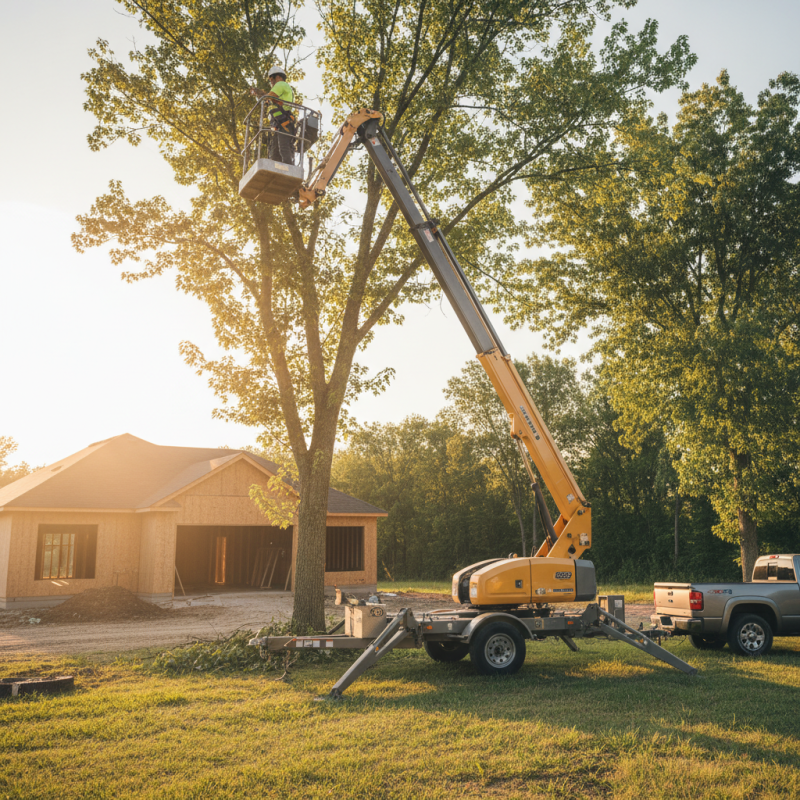
Towable boom lifts are versatile machines used for reaching high places. They feature a long arm that extends vertically and horizontally. These lifts are mounted on a trailer for easy transportation. When you need to work at height, towable boom lifts can be easily hitched to a vehicle. Their compact design allows for navigation in tight spaces, making them a practical choice for many projects.
The operation of towable boom lifts is user-friendly. Once positioned, the operator can control the boom’s movement using a joystick. This helps in reaching difficult spots without risking safety. Understanding the weight capacity and proper setup is crucial. Many users overlook the importance of checking the ground conditions before deployment. If the ground is soft or uneven, it can cause instability. Operators must remain vigilant when maneuvering these lifts.
While towable boom lifts offer convenience, they require training for safe usage. Proper handling is essential to prevent accidents. Operators often underestimate the risks involved. Regular maintenance checks are also necessary to ensure everything is functioning correctly. Without proper care, even the best equipment can fail. Reflecting on these aspects can lead to safer practices in the field.
Key Components of Towable Boom Lifts
Towable boom lifts are crucial in various industries, from construction to maintenance. They elevate workers to heights safely. Understanding their key components is essential for effective use.
One vital component is the boom arm. It extends and allows for significant reach. Typically, these lifts can reach heights of 30 to 50 feet. The platform is another critical element. It holds the workers and their tools securely. Many platforms feature safety rails for added security.
The towable system itself is designed for easy transport. It can be towed by vehicles, making it versatile. However, some users report challenges with weight limits. Additionally, stabilizing the lift can be tricky on uneven ground. Industry data shows that nearly 30% of lift accidents occur due to setup mistakes. Understanding how to operate these components properly is essential. Experience and training can help mitigate risks.
Mechanism of Action: How Towable Boom Lifts Operate
Towable boom lifts are versatile machines, designed for reaching high places. They consist of a telescopic arm mounted on a trailer. This design allows easy transport from one location to another. These lifts can extend vertically and horizontally, aiding various tasks, from outdoor maintenance to construction.
The operation mechanism of a towable boom lift relies on hydraulics. When the operator activates the controls, hydraulic fluid moves through the system. This movement causes the boom to extend and retract effectively. The system also includes stabilizers to ensure balance while in use. These features allow workers to focus on their tasks rather than on equipment stability.
However, using towable boom lifts isn't always seamless. Setting up the equipment requires careful attention, especially on uneven surfaces. Operators must also be mindful of safety protocols. Often, they overlook crucial checks before use, which can lead to dangerous situations. Thus, consistent training and reflective practices are essential to keep operations safe and efficient.
Applications and Benefits of Using Towable Boom Lifts
Towable boom lifts are versatile tools in various industries. They offer great utility in construction, maintenance, and even entertainment sectors. According to industry reports, the global boom lift market is projected to grow by over 5% annually. This rise is driven by increasing urbanization and the demand for high-reaching access solutions.
Using towable boom lifts allows workers to access heights safely and efficiently. Their lightweight design enables easy towing and setup. This portability is especially beneficial for smaller job sites where space is limited. In fact, studies show that over 75% of contractors prefer using towable lifts for short-term projects due to their quick deployment.
However, operators need proper training. Misuse can lead to accidents, raising safety concerns. Reports indicate that equipment-related injuries can increase by 20% without adequate operator education. Regular maintenance is also crucial to ensure efficiency and reduce downtimes. Understanding these challenges can enhance the benefits of using towable boom lifts.
Safety Considerations and Best Practices for Towable Boom Lift Use
Towable boom lifts are versatile tools for elevated work. However, safety is crucial when using them. Proper setup and operational guidelines can prevent accidents.
When preparing the towable lift, assess the ground conditions. Uneven or wet surfaces can cause instability. Always ensure that the lift is parked on a level area. This precaution helps maintain balance during operation.
Tips for safe usage:
- Always wear appropriate personal protective equipment (PPE), including a helmet and harness.
- Communicate clearly with team members. Hand signals can be effective.
- Check the lift's safety features before use. Ensure all mechanisms function correctly.
Regular inspections are essential. Look for
wear and tear on the equipment. If something seems off, do not ignore it.
Report issues immediately. It’s easy to overlook small problems, but they can escalate into significant hazards.
Remember, even experienced operators can make mistakes. Stay focused and vigilant throughout the task.
Distractions can lead to accidents and injuries.
Prioritize safety, and your team will benefit.