Top 5 Tips for Choosing a Waste Heat Boiler?
In today’s industrial landscape, the efficient use of energy is paramount. A growing focus on sustainability has led to the increased adoption of Waste heat boilers. According to the U.S. Department of Energy, recovering waste heat can lead to a 20-50% reduction in energy costs. This technology not only improves energy efficiency but also lowers greenhouse gas emissions.
Waste heat boilers capture excess thermal energy and convert it into useful work. This can significantly enhance operational efficiency in various sectors, particularly in manufacturing and power generation. However, choosing the right waste heat boiler can be challenging. There are numerous factors to consider, including design, material, and application.
Professional insights suggest that a well-chosen waste heat boiler can recover up to 90% of waste energy. Yet, not all systems will suit every facility. Missteps in selection may lead to suboptimal performance or safety hazards. Understanding these aspects is crucial for making informed decisions in the procurement process.
Understanding the Basics of Waste Heat Boilers
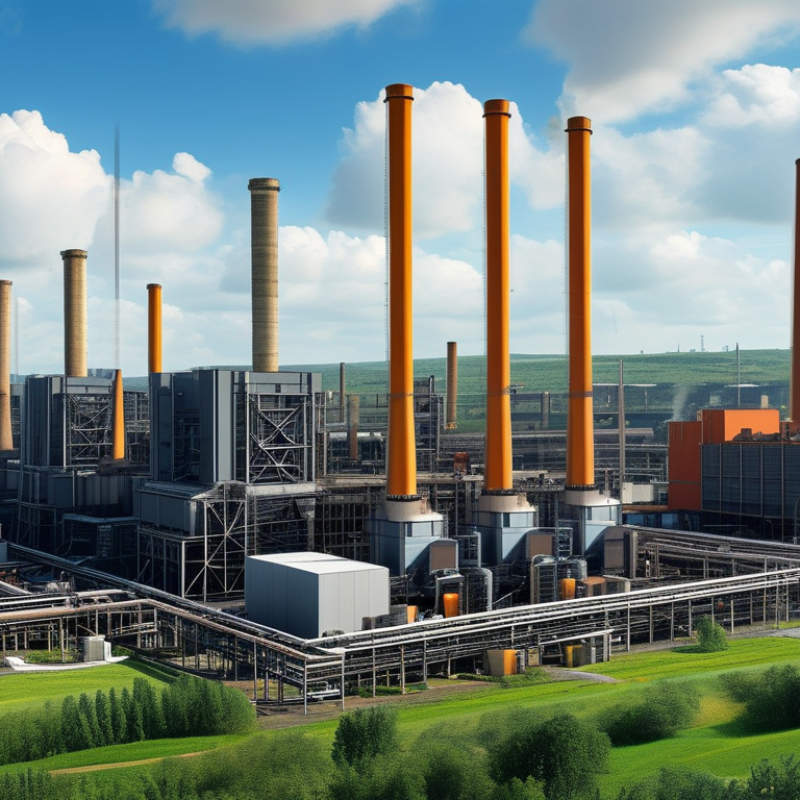
Waste heat boilers play a crucial role in energy efficiency. They capture heat from exhaust gases or processes that would otherwise be lost. Understanding their operation is essential for effective implementation in industrial settings. These boilers convert waste energy into useful steam, promoting sustainability.
Choosing the right waste heat boiler involves evaluating several factors. The specific application is key. Each industry has unique needs based on temperature and pressure requirements. A detailed analysis of process characteristics helps in selecting a suitable model.
Consider space constraints, too. Some boilers need extensive installation areas. Evaluate existing infrastructure and determine if modifications are needed. This can complicate the choice but can also lead to better flexibility in design. While there is no one-size-fits-all solution, informed decisions can yield significant efficiency gains.
Top 5 Tips for Choosing a Waste Heat Boiler
| Tip | Description | Considerations | Benefits |
| 1. Assess Your Energy Needs | Determine the amount of waste heat available and your energy recovery requirements. | Analyze production processes to identify waste heat sources. | Improves energy efficiency and reduces operational costs. |
| 2. Choose the Right Boiler Type | Select from types like fire-tube, water-tube, and HRSG based on your needs. | Consider space, efficiency, and maintenance requirements. | Optimal selection maximizes recovery and minimizes installation costs. |
| 3. Evaluate Thermal Efficiency | Understand the efficiency ratings of different boilers. | Higher efficiency can lead to more energy savings. | Enhances overall performance of the facility. |
| 4. Consider Maintenance Requirements | Research the maintenance needs and lifecycle of various boilers. | Factor in downtime and service costs when making decisions. | Reduces unexpected operational interruptions and costs. |
| 5. Analyze Payback Period | Calculate the return on investment based on installation costs and energy savings. | Understand the financial implications of your investment. | Helps ensure budget alignment and financial feasibility. |
Identifying the Heat Source and Temperature Range
When selecting a waste heat boiler, it’s crucial to identify the heat source and its temperature range. The type of heat source can vary; it might be from industrial processes, power generation, or even from HVAC systems. Understanding this source helps align the boiler design with the specific needs of your system.
The temperature range plays a significant role in efficiency. Waste heat can vary significantly, often between 100°C to 600°C. Boilers must be designed to handle these ranges effectively. An oversight in this area can lead to inadequate performance. Choosing a boiler that cannot accommodate your temperature expectations may result in wasted energy or operational challenges.
Moreover, physical attributes of the heat source should not be neglected. Factors like pressure, flow rate, and composition can influence the boiler’s performance. A mismatch here can cause corrosion or scaling. Always ensure that the specifications match the requirements. Testing and validation are essential steps in the selection process. It’s advisable to consult expert engineers to fine-tune your choices.
Evaluating Boiler Efficiency and Capacity Requirements
When evaluating boiler efficiency, it's crucial to consider how effectively the boiler converts heat into usable energy. Different boilers have varied efficiency ratings. Look for those that maximize energy recovery while minimizing waste. This directly impacts operational costs and environmental footprint. Understanding the steam quality and temperature requirements for your specific application can guide this choice.
Capacity requirements must also align with your production needs. An oversized boiler leads to energy waste, while an undersized unit can strain your system. Calculating the maximum heat demand during peak operations is essential. Consult with industry experts to optimize your specifications. Remember, small adjustments can have significant implications for overall efficiency. Every detail counts in selecting the right waste heat boiler to suit your facility's unique needs.
Considering Material Compatibility and Design Features
When selecting a waste heat boiler, material compatibility and design features are crucial factors. Boilers must endure high temperatures and pressures. The materials used must resist corrosion and wear. According to a report by the International Energy Agency, over 50% of industrial energy consumption can be recovered through effective waste heat systems. Hence, choosing the right materials is not merely an option but a necessity.
Stainless steel and carbon steel are popular choices due to their strength and durability. However, not all stainless steel types are equal. Certain grades perform better under specific conditions. A mismatch can lead to early failures, which are costly. Additionally, design features like heat exchangers and recirculation systems need careful consideration. A study from the American Society of Mechanical Engineers found that poorly designed systems increase maintenance costs by up to 30%.
It's vital to consult engineers with experience in waste heat recovery. Their insights can lead to better choices that enhance efficiency. Yet, designs that work well in theory might fail in practice. Testing prototypes can reveal unforeseen issues. Industry experts highlight the importance of flexibility in design, allowing adaptations for various operational conditions. Therefore, choosing the right boiler involves a balance of material and design, reflecting both short-term needs and long-term performance.
Budgeting for Installation and Maintenance Costs
When considering the installation of a waste heat boiler, budgeting is crucial. The initial costs can be significant. It's essential to account for equipment, installation labor, and any necessary upgrades to existing systems. Get quotes from different contractors. Comparing prices can reveal unexpected variations in cost, which may influence your final decision.
Maintenance costs should not be overlooked. Regular maintenance is vital for efficiency and longevity. It’s wise to set aside a specific annual budget for this purpose. This budget should cover routine check-ups, parts replacement, and emergency repairs. Neglecting maintenance can lead to costly breakdowns and higher operational costs in the long run.
Additionally, financing options may be available. Look into government grants or tax incentives for energy-efficient systems. These options can alleviate some budgetary concerns. However, reflect on the long-term savings versus upfront expenses carefully. This reflection can lead to a more informed financial decision regarding your waste heat boiler investment.