Smart Plug Outlet Buying Guide for Global Consumers?
In recent years, the demand for Smart Plug Outlets has surged significantly. According to a report by MarketsandMarkets, the smart home market is expected to grow at a CAGR of 25% by 2025. Smart Plug Outlets are at the forefront of this growth. They provide consumers easy control over their devices, enhancing convenience and energy efficiency. The flexibility to manage multiple devices helps reduce energy consumption, aligning with global sustainability goals.
However, not all Smart Plug Outlets are created equal. Consumers often face challenges navigating the diverse options available. Safety and compatibility with various devices are two key concerns. A Consumer Reports study highlights that nearly 30% of smart home devices lack the proper safety certifications. This raises questions about their reliability. Buying a Smart Plug Outlet requires careful consideration.
Educating yourself about features and reviews can make a difference. Look for outlets with energy monitoring and voice control capabilities. Note that some models may not work well with specific home ecosystems. Each choice carries its pros and cons. Ultimately, informed decisions lead to better experiences with Smart Plug Outlets.
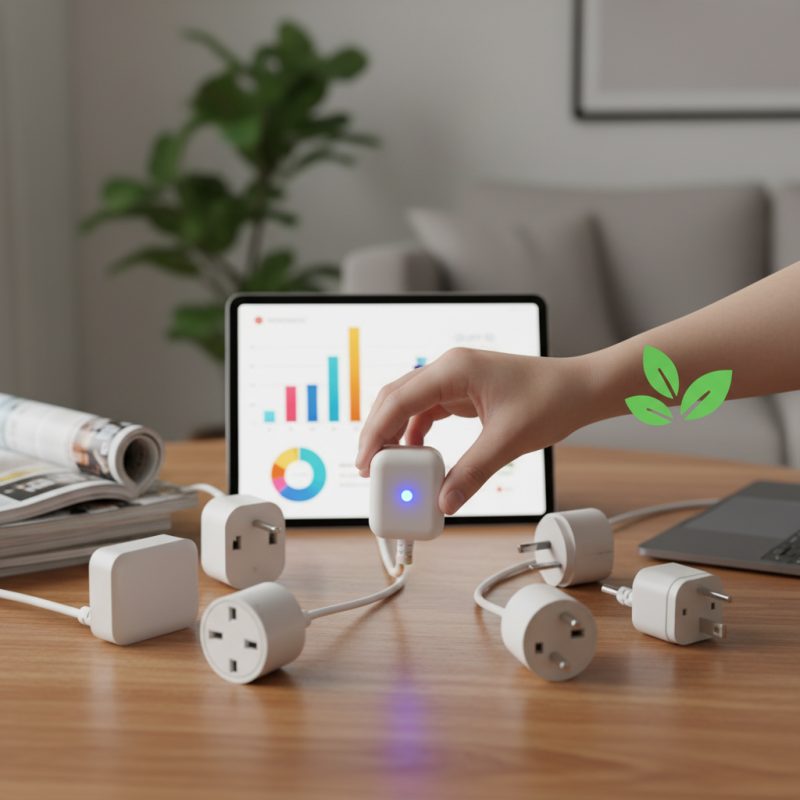
Understanding Smart Plug Technology: Key Features and Functions
Smart plugs are revolutionizing how we interact with our appliances. They connect to Wi-Fi, enabling remote control from smartphones or voice-activated devices. This technology provides convenience for busy individuals and families. Imagine turning off an appliance without getting up. It's a seamless integration of technology into daily life.
A crucial feature to consider is energy monitoring. Some smart plugs can track energy consumption over time. This data can help you make informed decisions. You can identify which devices use the most energy and potentially reduce costs. Additionally, scheduling options are valuable. You can program your devices to turn on or off at specific times. This is beneficial for routines or safety, like simulating occupancy while you’re away.
Compatibility matters too, though it can be frustrating. Not every smart plug works with all devices or protocols. You may need to check compatibility with existing smart home setups. Some users might struggle with installation. This reflects the need for clearer guidance from manufacturers. It’s essential to research and understand the features. Each user’s needs vary, making informed choices crucial for maximizing benefits.
Market Trends: Global Demand and Growth Projections for Smart Plugs
The global smart plug market is experiencing significant growth. According to industry reports, the smart plug market is projected to reach over $10 billion by 2026. This shows a compound annual growth rate (CAGR) of approximately 25% from 2021 to 2026. Such rapid expansion indicates a rising demand for smart home devices worldwide.
Several factors drive this demand. Consumers are increasingly interested in energy efficiency. Smart plugs provide real-time monitoring and control of energy consumption, making them attractive. Additionally, the rise of home automation adds to their popularity. Consumers want devices that integrate seamlessly with existing smart home ecosystems. Yet, the market faces challenges. Issues like data privacy concerns and compatibility among different devices can hinder growth.
Moreover, geographical variations exist. Regions like North America and Europe show higher adoption rates. In contrast, Asia-Pacific is catching up quickly. Emerging economies are waking up to smart technology benefits. Still, not all consumers understand smart plugs fully. Education around usage and benefits will be crucial for market penetration.
Energy Efficiency Metrics: How Smart Plugs Contribute to Power Savings
Smart plugs are not just convenient; they also help save energy. By allowing users to control power usage remotely, smart plugs can reduce wasted energy. When devices are not in use, smart plugs can turn them off completely. This feature gets rid of phantom loads that waste energy even when devices are idle.
Many users overlook their energy consumption. A smart plug can track the energy usage of connected devices. This data helps users understand which appliances consume the most power. With this knowledge, you can make informed decisions about usage patterns and plug management.
Tip: Regularly monitor your smart plug's energy reports. Look for spikes in usage that may indicate faulty appliances. Consider timing your usage during off-peak hours for additional savings.
Another benefit of smart plugs is their ability to schedule devices. You can set them to turn off during specific times. This is especially helpful for devices like chargers that can use energy even when they are not needed.
Tip: Create a daily schedule for electronics that you use frequently. This can significantly cut down on unnecessary energy costs. Evaluate your routines to find areas where smart plugs can further optimize savings.
Smart Plug Outlet Buying Guide for Global Consumers
| Feature | Description | Energy Efficiency Metrics | Estimated Power Savings (per year) |
| Remote Control | Control devices remotely via smartphone app. | Reduced energy consumption during off-peak hours. | $50 |
| Scheduling | Set schedules to turn devices on/off automatically. | Optimizes usage patterns to save power. | $35 |
| Energy Monitoring | Track the power consumption of connected devices. | Identifies high energy-consuming devices. | $45 |
| Voice Control | Compatible with virtual assistants for hands-free control. | Increases convenience leading to reduced energy waste. | $30 |
| Surge Protection | Protects devices from voltage spikes. | Reduces risk of device failure leading to energy losses. | $20 |
Compatibility Considerations: Integrating Smart Plugs with Home Systems
When considering smart plug compatibility, users must evaluate their existing home systems. Many homes now incorporate various technologies: smart lighting, HVAC, and security systems. A 2022 report by MarketsandMarkets states that the global smart home market is projected to reach $158 billion by 2024. This growth highlights the importance of seamless integration between devices.
Choosing a smart plug means understanding its connectivity options. Look for Wi-Fi, Zigbee, or Z-Wave compatibility. For instance, Wi-Fi-based plugs can simplify setup, as they often require no hub. However, they can strain your network if too many devices connect simultaneously. In contrast, protocols like Zigbee allow for a mesh network, increasing reliability, yet may require additional equipment.
Reflecting on real-world experiences, many consumers overlook potential compatibility issues. Not every smart plug interacts well with voice assistants or automation systems. It’s vital to read user reviews and product specifications carefully. Remember that software updates can enhance compatibility but may also introduce new challenges. Ensure your devices remain compatible as technology evolves.
Smart Plug Compatibility Analysis
Safety Standards and Certifications: Ensuring Quality in Smart Plug Products
When purchasing smart plug outlets, safety standards and certifications should be a top priority. According to a report by the International Electrotechnical Commission (IEC), over 50% of electrical accidents involve poor-quality devices. Smart plugs often handle substantial electrical loads. A failure in their design can lead to overheating or even fires. It is crucial to look for certifications like UL, CE, or RoHS to ensure compliance with safety regulations.
Not all products on the market meet these vital standards. A survey by the Consumer Product Safety Commission (CPSC) revealed that nearly 30% of smart plugs tested failed to meet basic safety requirements. This raises concerns about reliability. Consumers must be vigilant, as inferior quality products can compromise both functionality and safety. Detailed reviews and reports can significantly aid in identifying trustworthy options.
Many consumers overlook wiring and design issues. A poorly designed smart plug can lead to energy inefficiency, wasting power and increasing utility bills. Research from the Energy Information Administration indicates that improper usage of such devices can contribute to a household’s overall energy consumption. Investing in quality smart plugs not only ensures safety but also promotes energy efficiency, benefiting both your wallet and the environment.