10 Essential Tips for Choosing a Direct Drive Linear Motor?
Choosing a direct drive linear motor can significantly impact device performance. In recent years, the demand for precision and efficiency in manufacturing processes has surged. According to industry reports, the direct drive linear motor market is projected to grow by 8% annually through 2026. This growth reflects a shift towards automation and precision engineering.
When selecting a direct drive linear motor, it is crucial to consider several factors. Performance specifications, such as speed and load capacity, are essential. The right motor can enhance productivity and reduce operational costs. However, many users struggle with understanding these specifications. An informed choice is often overlooked.
Also, quality and supplier reputation play vital roles. Users need reliable motors to ensure continuous operation. Sometimes, compromising on quality may lead to long-term issues. It’s important to reflect on these choices. The decision impacts not only immediate projects but also overall efficiency.
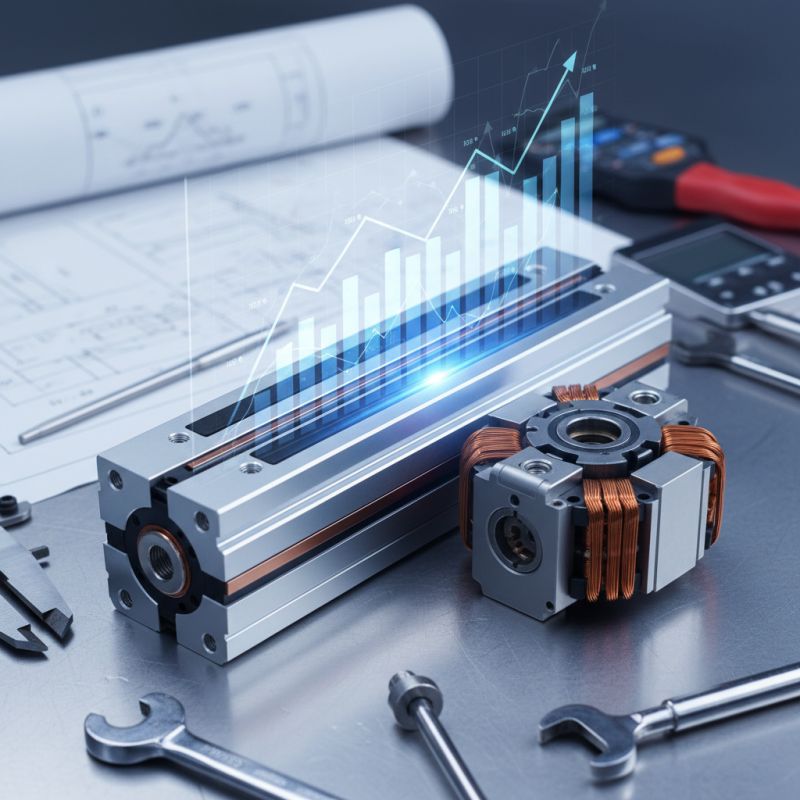
Understanding Direct Drive Linear Motors and Their Applications
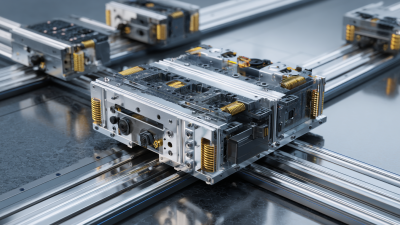
When selecting a direct drive linear motor, understanding their applications is crucial. These motors offer smooth, precise movements. They are widely used in automation, robotics, packaging, and medical devices. Their design eliminates the need for traditional drive systems, making them more efficient.
Consider the environment where the motor will operate. Factors like temperature and dust can affect performance. It's essential to evaluate the specific requirements of your application. A mismatch may lead to issues down the line. For industries with cleanroom standards, look for motors designed for minimal contamination.
Another tip is to assess the required speed and force. Direct drive motors excel in providing rapid acceleration and high thrust. However, determining the right specifications can be challenging. Take the time to analyze your project needs. If the specs seem too high or low, it might be a red flag. It's okay to engage with experts for insights. Their input can refine your decision-making process and avoid costly mistakes.
Key Factors to Consider When Selecting a Direct Drive Linear Motor
When selecting a direct drive linear motor, consider the application requirements. Load weight and movement speed are critical. Evaluate the motor's thrust capabilities to match your project needs. A motor that's too weak can lead to performance issues. On the other hand, an oversized motor may increase costs unnecessarily.
Another vital factor is the environment where the motor operates. Factors like temperature, dust, and humidity can affect performance. A motor designed for cleanrooms may not suit a factory floor. Make sure to assess the specific conditions of your workspace.
Also, examine the available control options. Different projects may require varying levels of precision. Some users need basic control, while others need advanced features. Compatibility with existing systems is essential. Be cautious of motor specifications that seem too good to be true. They often require a deeper understanding or additional components. Transparency in these details will help in making an informed decision.
Performance Comparison of Direct Drive Linear Motors
Evaluating Performance Specifications for Linear Motors
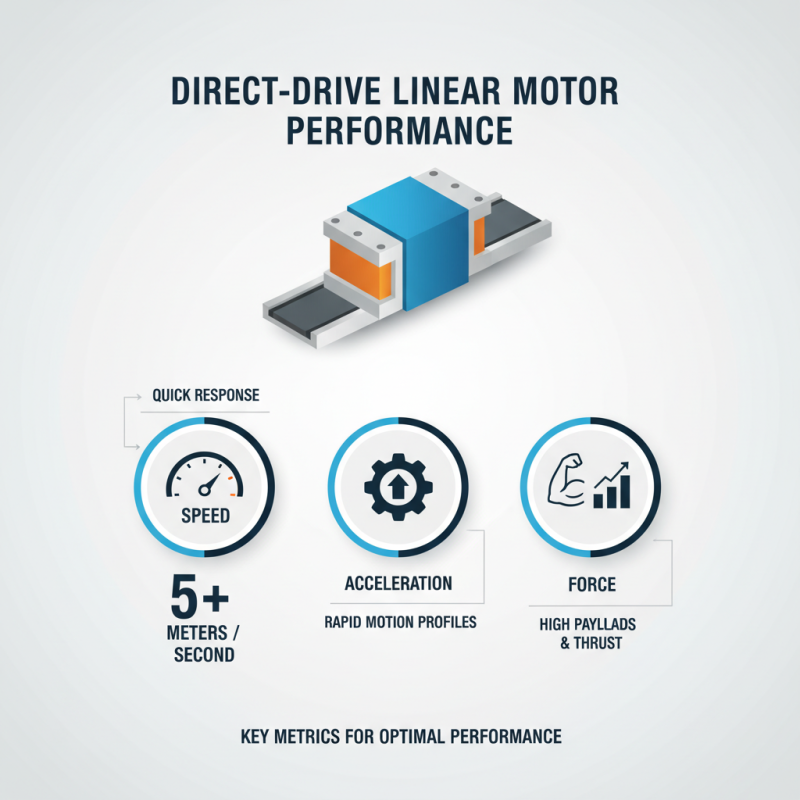
When choosing a direct drive linear motor, performance specifications play a crucial role. Key metrics include speed, acceleration, and force. For instance, many industry reports indicate that high-performance linear motors can achieve speeds over 5 meters per second. This specification is vital for applications requiring quick response times.
However, not every linear motor can sustain such speeds under load. Factors like thermal management and magnetic saturation can limit performance. A study from a reputable engineering journal found that 30% of linear motors tested failed to meet their rated specifications during prolonged operation. This highlights the importance of evaluating durability and long-term performance.
Another critical aspect is the motor's efficiency, which is measured in watts per kilogram. Some efficient models can provide over 90% efficiency. Yet, efficiency can diminish with temperature fluctuations or inconsistent power supply, leading to variability in performance. It's crucial to examine both the rated efficiency and real-world performance under various conditions. Consider these factors carefully to make an informed choice.
Assessing Cost and Budget Considerations for Motor Selection
When selecting a direct drive linear motor, budget considerations play a crucial role. The initial costs often seem daunting, yet a comprehensive evaluation is necessary. It's vital to factor in not just the purchase price but also installation, maintenance, and operational costs. Overlooking these elements can lead to budget overruns.
Tip: Always calculate the total cost of ownership. This includes energy consumption and potential downtime. You may save money upfront by choosing a cheaper motor, but it might cost more in the long run.
Another thing to consider is your specific application. High-performance systems may require a premium motor. Assess if the added features justify the expense. Sometimes, a less expensive model with fewer capabilities may suffice.
Tip: Identify your performance requirements clearly. This can help narrow down options without overspending. Focus on what is necessary and avoid unnecessary features that inflate costs.
Identifying Manufacturer Reliability and Support Services
When selecting a direct drive linear motor, reliability is key. A manufacturer’s reputation indicates their technical expertise. Look for those with a proven track record. Check their experience and the projects they’ve worked on. Use online forums to gather feedback from other users. Direct communication can also reveal much about their support.
Support services can be a game changer. Quick response times matter in a production environment. Consider companies that offer comprehensive support, like training and maintenance. Assess their availability and willingness to assist. Some manufacturers may not provide adequate resources, which can lead to downtime. Inadequate support systems can compromise your project’s success.
Choosing a reliable manufacturer entails more than just looking at products. It’s essential to understand the support behind them. Quality support can enhance performance and reduce risks. Don’t overlook the importance of a responsive team. A little research can go a long way in ensuring you make the right choice.