What is an Electrical Tester and How Does It Work?
An Electrical Tester is an essential tool in the world of electrical engineering and maintenance. It is designed to measure voltage, current, and resistance in electrical circuits. This tool allows professionals to ensure that electrical systems are functioning safely and efficiently. Understanding how an Electrical Tester works is crucial for both technicians and DIY enthusiasts.
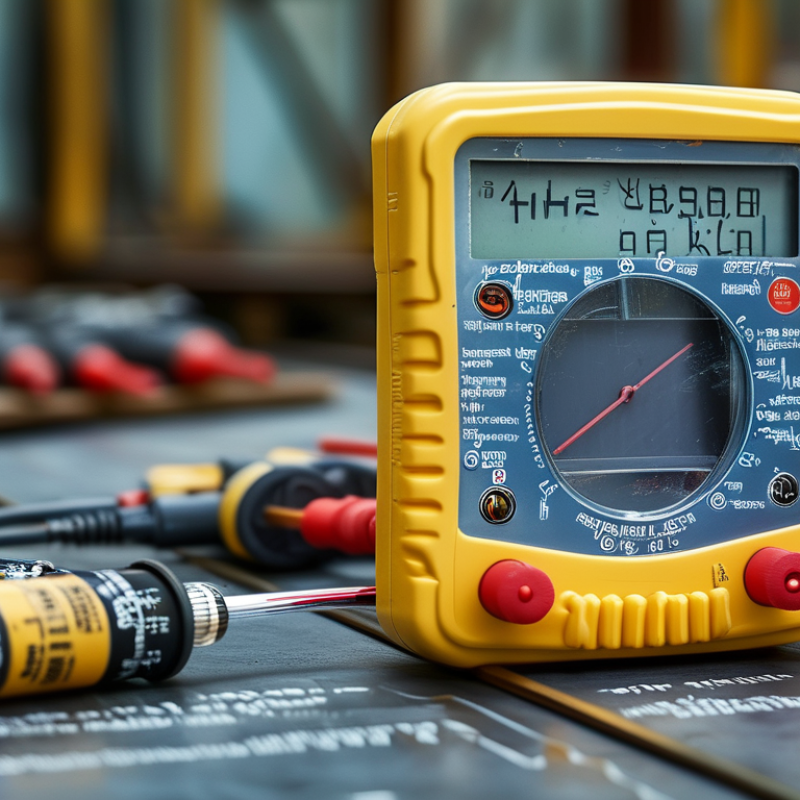
Using an Electrical Tester involves basic principles of electricity. These testers can quickly indicate whether a circuit is live, detect faults, and confirm the integrity of connections. For example, a multimeter can provide critical information about electrical load. However, improper use can lead to inaccurate readings or even pose hazards.
Many users often overlook the importance of proper calibration and maintenance of their testers. Relying solely on a tester's output without understanding the underlying principles can lead to mistakes. Thus, it is vital to follow best practices when using an Electrical Tester to ensure safety and accuracy. Reflecting on these aspects can improve one's skills and confidence in working with electricity.
What is an Electrical Tester?
An electrical tester is a crucial tool used to measure the presence of electricity in wires and outlets. It serves various purposes, from identifying live wires to checking the integrity of electrical systems. This device is vital for electricians and DIY enthusiasts alike, as it ensures safety during electrical work.
Electrical testers come in various forms, including voltage testers, multimeters, and continuity testers, each serving a specific function.
These tools operate through simple yet effective principles. For instance, a voltage tester may use a light indicator to show when voltage is present. Meanwhile, multimeters can read multiple electrical parameters, such as voltage, current, and resistance. This versatility makes them invaluable for diagnosing issues.
However, improper use of any electrical tester can lead to dangerous situations. Misinterpreting readings may result in inadequate repairs or unsafe conditions.
Using an electrical tester effectively requires understanding its functions. Users should familiarize themselves with device specifications and measurement techniques. Small mistakes, like overlooking a grounded fixture, can have serious consequences. Therefore, while these tools enhance safety in electrical work, they also demand respect and careful handling to avoid errors during use.
Types of Electrical Testers and Their Applications
Electrical testers are crucial tools in ensuring safety and functionality in electrical systems. They come in various types, each designed for specific applications and environments. Among the most common types are multimeters, voltage testers, and continuity testers. Multimeters measure voltage, current, and resistance. Their versatility makes them essential for electricians and technicians. In 2021, the global multimeter market was valued at approximately $1.2 billion and is expected to grow as more systems require regular maintenance.
Voltage testers are designed to detect the presence of electrical voltage. They are simple to use and provide quick feedback. Their accuracy is vital when working with high-voltage systems. According to industry reports, about 30% of electrical accidents arise from unknown voltage levels. Continuity testers check if current flows through a circuit, confirming that connections are complete. This type of tester is especially useful during installation and troubleshooting of circuits.
Despite their usefulness, electrical testers are not infallible. User errors can lead to inaccurate readings. Proper training is essential to interpret results correctly. In many cases, technicians need to cross-check values using multiple tools. Regular calibration of testers is also necessary to ensure reliability. Industry guidelines suggest testing equipment every six months to maintain accuracy and safety standards.
How Electrical Testers Measure Voltage, Current, and Resistance
Electrical testers are essential tools for measuring voltage, current, and resistance in circuits. These devices help professionals and DIY enthusiasts alike ensure safety and functionality in electrical systems. Understanding how electrical testers operate can enhance the accuracy of your measurements.
When measuring voltage, an electrical tester connects across the two points of a circuit. The device displays the potential difference in volts. With current, the tester is placed in series with the circuit, allowing it to measure flow in amperes. Resistance measurements require the circuit to be powered off. The tester applies a small current and measures the resistance in ohms.
It's important to know that not all testers perform equally. Some may struggle to provide accurate readings in specific conditions. Calibration is crucial for optimal performance. Users need to regularly verify their tester's accuracy to avoid faulty readings. A device that provides inconsistent results can lead to dangerous situations. Thus, continuous learning about proper usage and limitations is vital.
Safety Features of Electrical Testers
Electrical testers play a crucial role in ensuring safety during electrical work. These devices measure voltage, current, and resistance, helping technicians avoid dangerous situations. Safety features in electrical testers are vital, particularly the insulation rating. This rating indicates the voltage the tester can handle without risk of failure or shock.
Another important feature is the non-contact voltage detection. This allows users to identify live wires without direct contact, reducing the risk of electric shock significantly. Some testers even have built-in alarms that alert users to unsafe conditions.
Despite these safety features, users must remain vigilant. Regular testing and calibration of the device are essential. A malfunctioning tester can provide false readings, leading to hazardous mistakes. Users should always follow safety protocols and ensure testers are in good working condition before use. This diligence helps prevent accidents and ensures a safer working environment.
Electrical Tester Safety Features
Tips for Using an Electrical Tester Effectively
Using an electrical tester is crucial for ensuring safe and effective electrical work. A good understanding of how to utilize these tools can make a significant difference. Here are some tips for using an electrical tester effectively.
Always start by ensuring your tester is in good condition. Inspect the leads and the housing for damage. A damaged tester can give false readings. When using your tester, follow the manufacturer's guidelines closely. This ensures you are using the tool as intended. Remember, safety is paramount. Keep one hand behind your back while testing. This can help prevent serious injuries in case of a shock.
Consider practicing your technique on a low-voltage circuit. Familiarize yourself with the readings. Understanding what’s normal can help you quickly identify issues. If you’re uncertain about a reading, double-check it. It's essential to trust your instincts and seek help if needed.
Involve yourself in learning more about electrical systems. The more knowledge you acquire, the more confidently you can use an electrical tester. Make it a habit to document your findings. Reflecting on past experiences will enhance your skills over time.
What is an Electrical Tester and How Does It Work? - Tips for Using an Electrical Tester Effectively
| Type of Electrical Tester | Description | Common Uses | Safety Tips |
| Multimeter | Measures voltage, current, and resistance. | Testing electrical circuits and troubleshooting. | Always ensure the tester is set to the correct measurement before use. |
| Voltage Tester | Indicates the presence of voltage in a circuit. | Checking live wires and outlets. | Test on known live and dead circuits first to ensure functionality. |
| Continuity Tester | Checks if a circuit is complete. | Testing fuses and circuit paths. | Use caution; don't test on live circuits. |
| Clamp Meter | Measures current flow without breaking the circuit. | Measuring current in wires and troubleshooting. | Ensure clamps are properly closed before measuring. |