How to Choose the Right Aluminum Extrusions for Your Needs?
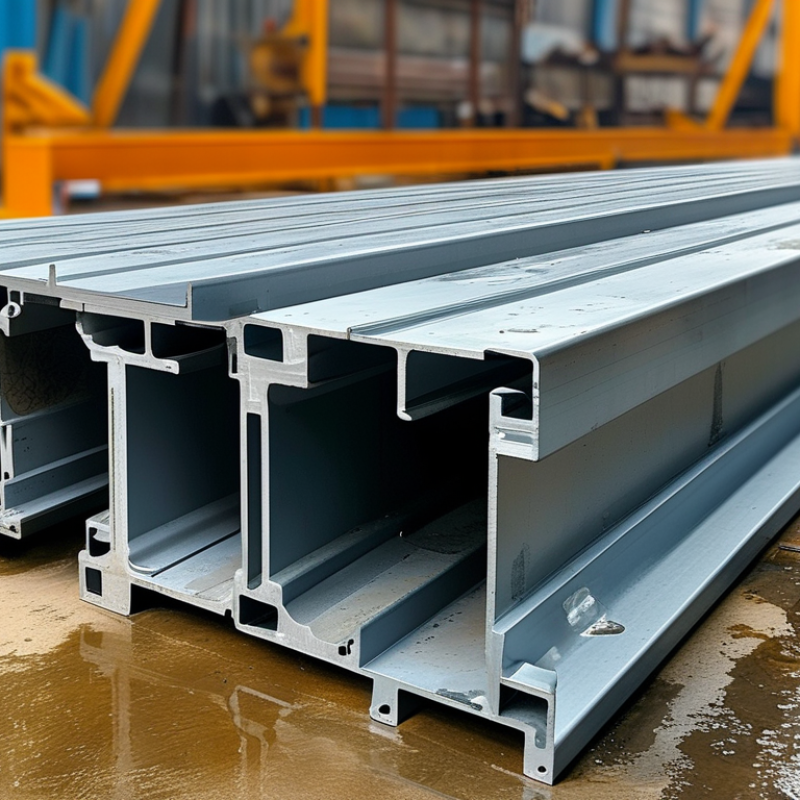
Choosing the right Aluminum Extrusions can significantly affect the success of your project. Aluminum extrusions are versatile and lightweight, offering numerous benefits for various applications. However, selecting the right type involves understanding your specific needs and requirements.
Different projects require different properties. For instance, some applications need high durability, while others prioritize aesthetics. It is essential to consider the environment where the aluminum will be used. Factors like moisture and temperature can impact its performance.
Sometimes, the process can feel overwhelming. With many shapes, sizes, and alloys available, making an informed choice is not always straightforward. Engaging with industry experts can provide valuable insights. Their knowledge can help you avoid costly mistakes. Ultimately, the right aluminum extrusions will enhance your project’s effectiveness and longevity.
Understanding Aluminum Extrusions: Types and Benefits
Aluminum extrusions come in various types, each serving different purposes. From structural frames to custom shapes, these products are tailored for specific applications. A report by the Aluminum Association states that the U.S. aluminum extrusion industry accounts for approximately 23% of total aluminum demand. This highlights the material's importance in manufacturing.
Choosing the right type of aluminum extrusion involves understanding the benefits of each. For instance, standard shapes like angles and channels are often cost-effective and easy to work with. They are widely used in construction and manufacturing. In contrast, custom extrusions may be necessary for unique applications. These can optimize design and enhance performance.
However, the selection process is not always straightforward. Factors like size, weight, and alloy composition must be carefully considered. Misjudgments can lead to excess costs or project delays. According to industry experts, about 30% of aluminum extrusion projects experience design complications. This underscores the need for careful planning and expert consultation to avoid pitfalls.
How to Choose the Right Aluminum Extrusions for Your Needs?
| Type of Aluminum Extrusion | Common Uses | Benefits | Recommended Alloy |
| Standard Shapes | Architectural frames, furniture | Versatile, cost-effective | 6063 |
| Structural Extrusions | Building supports, bridges | High strength, durability | 6061 |
| Heat Sink Extrusions | Electronics cooling | Excellent thermal conductivity | 6063 |
| Custom Extrusions | Specialty applications | Tailored designs, unique requirements | Lighter alloys as needed |
| Fencing and Railing | Outdoor structures | Weather-resistant, aesthetic appeal | 6005 |
Identifying Your Project Requirements for Aluminum Extrusions
When selecting aluminum extrusions, it's crucial to pinpoint your project requirements. Understanding the specific needs can guide you toward the right choice. For instance, consider factors like strength, weight, and corrosion resistance. According to the Aluminum Association, aluminum's strength-to-weight ratio makes it ideal for various applications, ranging from automotive to construction.
Next, evaluate the environment where the extrusions will be used. Will they face exposure to harsh weather or chemicals? The American Society for Testing and Materials (ASTM) suggests specific aluminum alloys for different conditions, ensuring durability where it counts. Each alloy has unique properties that cater to various applications. For example, 6061 aluminum is popular for structural components due to its excellent mechanical properties.
Moreover, think about the finishing processes. Anodizing or powder coating can enhance performance and aesthetics. In a study by the Aluminum Extruders Council, it was noted that surface treatments can improve the longevity of aluminum components significantly. Assessing these aspects helps prevent future issues, ensuring the extrusions meet your project’s demands effectively.
Choosing the Right Aluminum Extrusions for Your Needs
Key Factors to Consider When Selecting Aluminum Extrusions
Choosing the right aluminum extrusions can be a daunting task. There are several key factors to consider. First, think about the specific application. Different projects require various shapes and dimensions. Precision matters. The wrong size or shape might lead to project delays or even failures.
Material strength is another crucial aspect. Aluminum comes in different alloys, each with unique properties. Some provide better corrosion resistance, while others are stronger. Assess your environmental conditions. Will your extrusions be exposed to moisture or chemicals? A knowledgeable supplier can guide you in selecting the right alloy based on your needs.
Tip: Always request samples before making a bulk order. Testing the material under real-world conditions can reveal unexpected issues. Another tip is to consult with engineers or fabrication experts. They can provide insights that might save time and money.
Lastly, consider your budget. Aluminum extrusions vary significantly in price. The cheapest option might not always be the best in the long run. Weigh the cost against the quality and performance you expect. Making informed choices now can prevent future headaches.
Comparing Cost and Quality of Different Aluminum Extrusions
When selecting aluminum extrusions, cost versus quality is a crucial consideration. A 2022 industry report found that nearly 40% of companies prioritize cost over quality, often compromising performance. However, this choice can lead to higher long-term expenses due to durability issues. Extrusions play a significant role in applications ranging from construction to automotive sectors. Investing in higher-quality materials can enhance structural integrity and reduce maintenance costs.
Quality aluminum extrusions are often produced with specific alloy compositions. These alloys can greatly impact the mechanical properties of the final product. For instance, 6061 alloys offer excellent corrosion resistance and weldability, making them preferable for construction projects. While they may cost more upfront, their longevity is an asset. In contrast, cheaper alternatives may lead to frequent replacements, generating wasted resources.
In terms of surface finishes, anodizing can add an additional layer of protection against wear and corrosion. While it increases initial costs, the extended lifespan of anodized extrusions often balances out the expense. It's essential to assess your project requirements to determine the right balance of cost and quality. Don't overlook the importance of seeking expert advice to guide your selection. Choosing the wrong material can compromise safety and functionality.
Sourcing and Suppliers: Where to Find the Right Aluminum Extrusions
When sourcing aluminum extrusions, it's crucial to identify reliable suppliers. Many manufacturers offer extensive catalogs. However, not all can meet industry standards. Research shows that about 25% of buyers encounter quality issues due to improper sourcing. This statistic emphasizes the importance of vetting suppliers carefully.
Consider the types of aluminum you need. Certain applications require specific alloys and shapes. It’s advisable to look for suppliers with a proven track record. For instance, companies that have been ISO-certified often follow regulatory standards closely. This certification can indicate higher reliability in quality and performance.
Networking within industry circles can be beneficial. Engaging with professional associations, such as the Aluminum Extruders Council, can lead to valuable supplier recommendations. Additionally, seeking out suppliers who participate in trade shows can enhance your options. Always verify their experience and gather references to ensure your choice aligns with your project needs.