What is an Aluminum Welder Machine and How Does It Work?
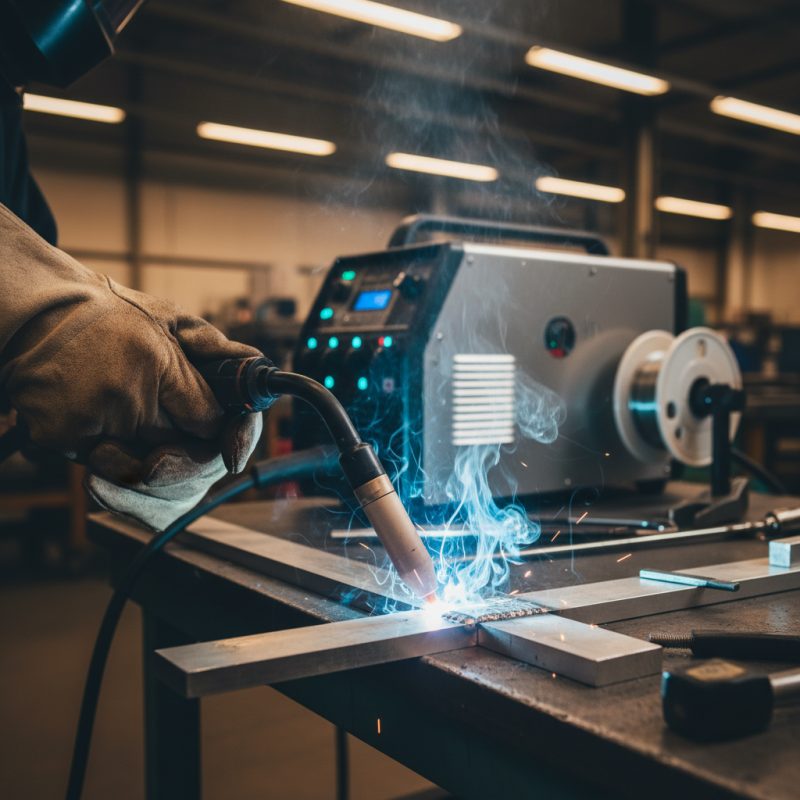
An Aluminum Welder Machine is a vital tool in various industries. It enables precise welding of aluminum components, ensuring strong and durable joints. Understanding how this machine works is crucial for any professional welder.
The aluminum welding process involves specific techniques and equipment that differ from steel welding. These machines use DC current to create an arc, melting aluminum at controlled temperatures. Proper setup and technique are essential to achieve clean welds without defects.
Moreover, the choice of welding rod and gas can impact the final result. An Aluminum Welder Machine requires skilled operation, making training critical. As technology advances, these machines become more sophisticated, yet the fundamental principles remain. Each project presents unique challenges, demanding adaptability and continuous learning.
What is an Aluminum Welder Machine?
An aluminum welder machine is essential in industries like automotive and construction. These machines are specifically designed to join aluminum pieces. Aluminum is lightweight yet strong, making it a popular choice for various applications. The process of welding aluminum requires precision. The melting point of aluminum is about 660 degrees Celsius. Proper temperature control is crucial to avoid warping.
The working principle focuses on generating an electric arc between the aluminum and its filler material. This arc melts the surfaces, allowing them to fuse. A report by the American Welding Society emphasizes that aluminum welding requires specific techniques, such as TIG (Tungsten Inert Gas) or MIG (Metal Inert Gas). Each method has unique advantages, but also some challenges. For instance, TIG provides high precision but is slower than MIG.
Equipment quality can significantly influence the outcome. Poor-quality machines may lead to inconsistencies. A study showed that improper settings could increase the likelihood of weld defects by up to 30%. Training for operators is often overlooked. Skilled operators can mitigate many risks. Ensuring adherence to proper techniques is vital for successful aluminum welding.
Key Components of an Aluminum Welder Machine
An aluminum welder machine is essential for various industries, such as automotive and aerospace. These machines combine high precision with powerful welding capabilities. They help join aluminum components efficiently, providing strong and durable bonds. The main components of an aluminum welder include the power source, welding torch, and the cooling system.
The power source generates the necessary heat to melt aluminum. Typically, it uses alternating current (AC) or direct current (DC). The choice depends on the thickness of the aluminum and the specific weld type. A key report noted that 70% of professionals prefer AC for thin materials due to its stability and effectiveness. The welding torch directs this heat precisely, allowing for minor adjustments. This is crucial for achieving clean welds, which are vital for structural integrity.
Another critical component is the cooling system, which manages the machine's temperature. Excessive heat can warp welded materials, compromising quality. Efficient cooling prevents overheating, ensuring a longer lifespan for the machine. According to industry statistics, better cooling mechanisms can enhance efficiency by 30%. While these machines are powerful, they still require skilled operators to achieve the best results. Mistakes can lead to costly rework, emphasizing the need for training and experience in aluminum welding techniques.
The Different Types of Aluminum Welding Techniques
Aluminum welding encompasses various techniques that cater to its unique properties. One primary method is Gas Tungsten Arc Welding (GTAW), known for its precision. It's ideal for thin materials, often seen in aerospace applications. Industry reports indicate that around 45% of aluminum welders use this technique due to its clean finish and minimal distortion.
Another popular approach is Metal Inert Gas (MIG) welding. This method is highly efficient, especially for thicker sections. Data from welding surveys show MIG is preferred by 60% of industries for production work. Its speed allows for quick assembly, making it suitable for automotive manufacturing. Despite its advantages, MIG can sometimes produce issues like inadequate penetration or porosity, which require careful monitoring.
Resistance welding is also notable for specific applications. It is effective for joining aluminum sheets in a fast, automated process. However, this method is less versatile and can lead to inconsistent quality if not properly managed. Understanding these techniques enables welders to choose the best process for their project, enhancing efficiency while also facing the challenges inherent in each method.
Aluminum Welding Techniques Comparison
How Aluminum Welding Machines Function
Aluminum welding machines are specialized tools designed for joining aluminum parts. These machines often utilize techniques such as TIG (Tungsten Inert Gas) welding or MIG (Metal Inert Gas) welding. According to the American Welding Society, the demand for aluminum welding is rising, driven by industries such as automotive and aerospace.
These machines function by generating an intense heat source, which melts the aluminum base material and filler rod, if used. The process requires precise control over heat levels to avoid warping or damaging the aluminum. For example, a study by the International Aluminum Institute indicates that improper welding can lead to tensile strength losses of up to 30%.
Safety is also a significant concern. Exposure to UV radiation and fumes can pose health risks to operators. Therefore, protective gear and proper ventilation are critical. Often, users may overlook maintenance, leading to decreased machine performance. Regular checks can help sustain efficiency, as reported in various industry analyses, where neglected equipment showed a 25% reduction in operational reliability. The complexities of aluminum welding machines indicate that skill and expertise are indispensable for successful operations.
Applications and Benefits of Aluminum Welders
Aluminum welders are essential tools in various industries, known for their lightweight and strong materials. They are widely used in automotive, aerospace, and construction sectors. According to a report by Research and Markets, the global aluminum welding market is expected to reach $7.6 billion by 2026, showcasing the growing demand for these machines.
The benefits of aluminum welders are numerous. They offer high precision and efficiency, which is crucial in industries requiring strong, reliable joints. Aluminum welders can operate with different techniques, like MIG and TIG welding, allowing for versatility. Industries benefit significantly from reduced weight and enhanced fuel efficiency in vehicles, leading to lower operational costs. Despite these advantages, challenges remain. Aluminum can warp under heat, requiring skilled operators to manage these effects effectively.
Aluminum welders also contribute to sustainability. They facilitate recycling processes, making them environmentally friendly. Recent studies indicate that welded aluminum structures can be reused, thus saving resources. However, achieving a perfect weld still requires monitoring and adjustment, reflecting the intricacies involved in this technology. As the industry evolves, continuous training and development are crucial to keep pace with these advancements.